New Britain Bee Control: Safe & Lasting Solutions for Your Home
Dealing with bees or wasps around your New Britain home? Our comprehensive guide helps you understand the different stinging insects you might encounter, from honey bees to carpenter bees and wasps, and why they choose your home for nesting. Discover how Defense Pest And Wildlife Control provides safe, effective, and lasting solutions. We offer thorough inspections, gentle treatment for your family and pets, careful nest removal, and expert sealing to keep these pests away for good. Protect your New Britain property and peace of mind with our local experts.
Bee Control in New Britain, Connecticut: Protecting Your Home from Stinging Invaders
There's nothing quite like enjoying a warm day in your New Britain backyard, but a buzzing cloud of bees or wasps can quickly turn a pleasant afternoon into a stressful situation. While many stinging insects play vital roles in our ecosystem, their presence too close to home can pose risks to your family, pets, and even your property. Understanding the different types of stinging insects, their habits, and how to safely manage them is key to maintaining a peaceful home.
At Defense Pest And Wildlife Control, we're dedicated to helping New Britain homeowners safely and effectively address bee and wasp problems, ensuring long-term peace of mind.
Understanding Your Buzzing Neighbors: Bees vs. Wasps
Many people use the terms "bee" and "wasp" interchangeably, but they are quite different in appearance, behavior, and the risks they pose. Knowing which insect you're dealing with is the first step toward effective control.
Honey Bees: The Beneficial Pollinators
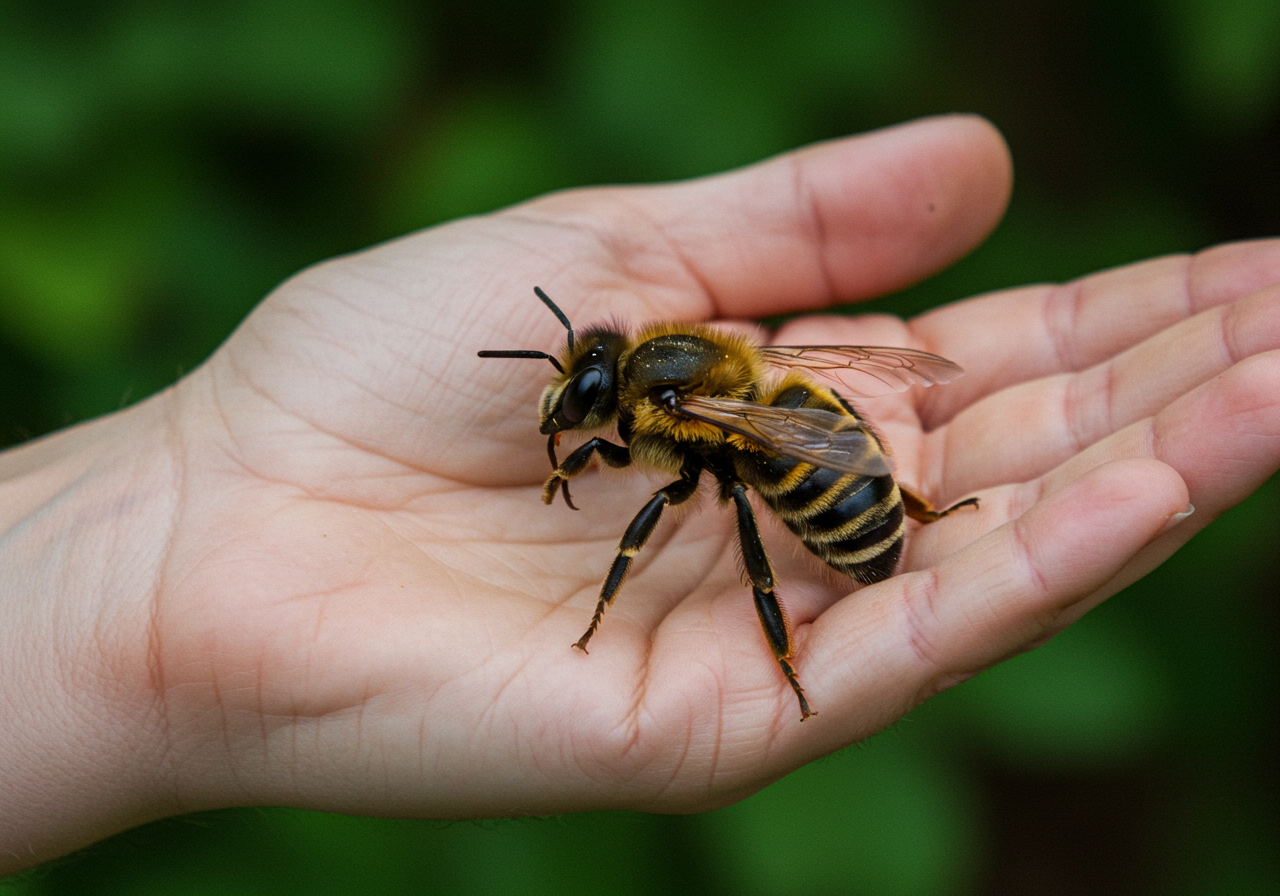
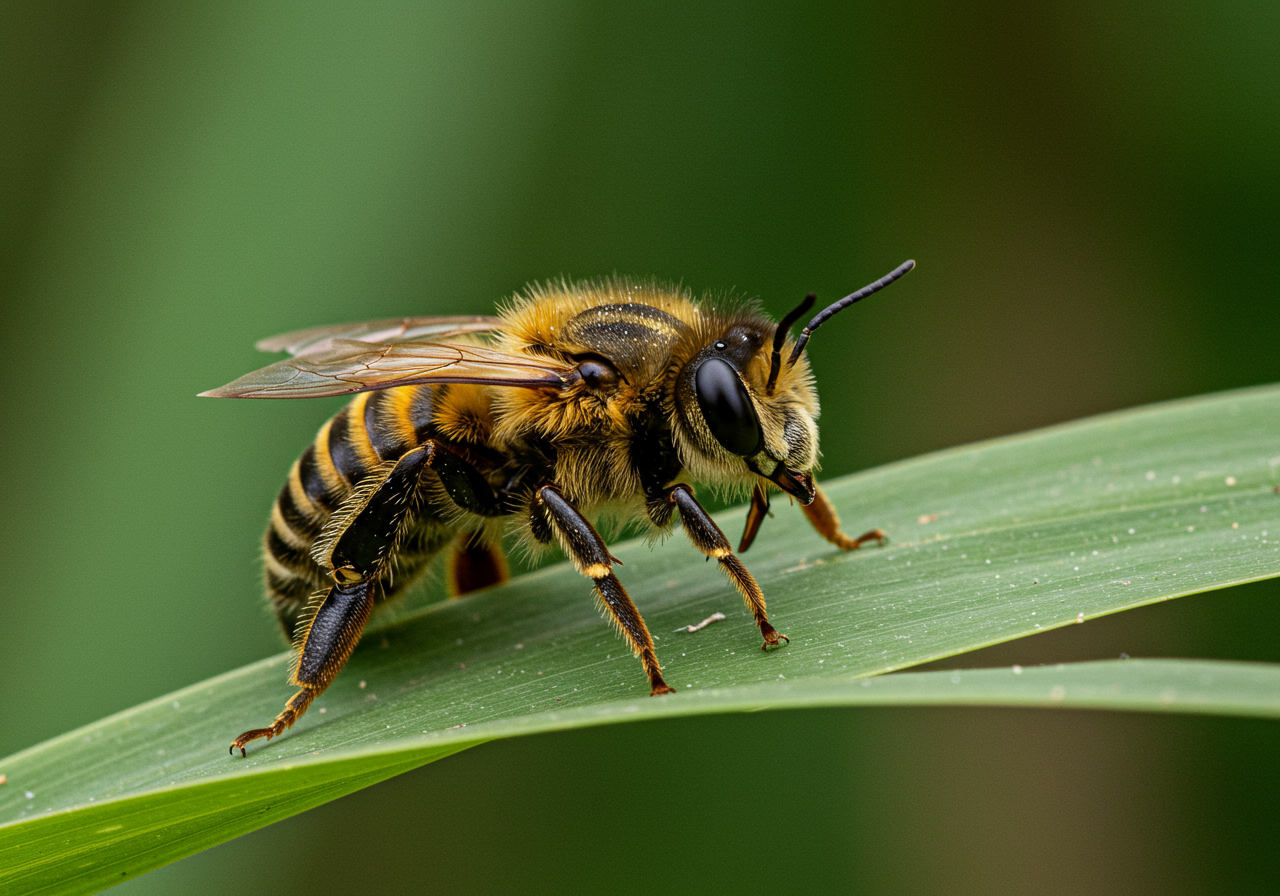
- Appearance: Fuzzy, rounder bodies, usually yellow and black striped.
- Behavior: Generally docile, focused on collecting nectar and pollen. They live in large colonies and are crucial for pollinating plants. A honey bee can only sting once, as its barbed stinger remains in the victim.
- Nesting: Often build their honeycombs in sheltered spaces like tree hollows, old sheds, or sometimes even wall voids within homes.
- Why They Matter: Honey bees are incredibly important for our environment and food supply. Whenever possible, our goal is to safely relocate honey bee colonies rather than eliminate them.
Carpenter Bees: The Wood-Damaging Drills
- Appearance: Large, black, and shiny abdomen (unlike the fuzzy abdomen of a bumblebee).
- Behavior: You'll often see them hovering around wooden structures. Female carpenter bees drill perfectly round holes into wood to create nests for their eggs. They are less aggressive than wasps but can sting if threatened.
- Nesting: Prefer unpainted or weathered wood, including deck railings, eaves, fascia boards, and outdoor furniture.
- Structural Risk: Over time, their tunneling can cause significant cosmetic and structural damage to your home, especially if left unchecked year after year.
Wasps (Yellow Jackets, Paper Wasps, Hornets): The Aggressive Predators
- Appearance: Slender, smooth bodies with distinct "waists," often brightly colored yellow and black (Yellow Jackets), or darker shades (Hornets).
- Behavior: Unlike bees, wasps are predatory and can be much more aggressive, especially when their nests are disturbed. They can sting multiple times. Yellow Jackets, in particular, are notorious for invading outdoor meals and picnics.
- Nesting: Varies by species. Paper Wasps build umbrella-shaped nests under eaves and porch ceilings. Yellow Jackets often nest in the ground, in dense bushes, or inside wall voids and attics. Hornets construct large, enclosed paper nests in trees, shrubs, or sometimes attached to buildings.
- Health Risk: Their painful stings can cause localized swelling and pain. For some, allergic reactions can be severe and life-threatening, making prompt and safe removal crucial.
New Britain's Stinging Season: When to Be Wary
Spring marks the emergence of queen bees and wasps, as they begin to build their initial nests. As summer progresses, colonies grow larger, leading to increased activity and a higher chance of encounters. By late summer and early fall, wasp colonies reach their peak size, and these insects can become particularly aggressive as they search for food before winter. This is often when New Britain homeowners notice a significant increase in wasp activity around their properties.
The Risks of DIY Bee & Wasp Removal
Attempting to remove a bee or wasp nest yourself can be dangerous. Without the right protective gear and knowledge, you risk numerous painful stings, and for those with allergies, this could lead to a medical emergency. Moreover, improper removal can scatter the insects, making the problem worse or causing them to find new entry points into your home.
It's also essential to correctly identify the insect. As mentioned, honey bees are vital pollinators. An expert can often identify the species and, in the case of honey bees, work to safely relocate them.
Defense Pest And Wildlife Control's Safe & Effective Bee & Wasp Solutions
When stinging insects threaten your New Britain home, Defense Pest And Wildlife Control is ready to help. Our approach focuses on safety, effective removal, and long-term prevention.
- Thorough Inspection: Our skilled technicians will conduct a detailed inspection of your property. We'll identify the type of stinging insect, locate all nests, pinpoint entry points, and assess any potential damage, especially from carpenter bees.
- Targeted & Safe Treatment: Based on our findings, we develop a customized plan. For beneficial insects like honey bees, we prioritize safe relocation whenever feasible. For aggressive wasps or destructive carpenter bees, we use targeted treatments to eliminate the threat efficiently and safely, minimizing impact on your family, pets, and the environment.
- Expert Nest Removal: Once the colony is neutralized, we safely remove the nest, especially those located in sensitive areas like wall voids or attics. This prevents future odors, secondary pest infestations, and ensures no lingering attractants for other insects.
- Preventative Sealing & Exclusion: Our commitment to long-term solutions means we don't just remove the current problem. We specialize in identifying and sealing potential entry points. This could involve patching holes, repairing damaged wood, or installing custom metal exclusion systems to block future access for bees, wasps, and other unwanted wildlife. This crucial step prevents recurring infestations and protects your home structurally.
Why Choose Defense Pest And Wildlife Control?
At Defense Pest And Wildlife Control, we pride ourselves on providing high-quality, honest, and effective pest and wildlife solutions. Our "Bee Control" service is designed to give you peace of mind, knowing your home is safe from stinging insect threats.
We proudly serve homeowners not just in New Britain, but also across a wide range of Connecticut communities, including Hartford, Bristol, Farmington, West Hartford, New Hartford, Torrington, Litchfield, Canton, Simsbury, Southington, and many more in Litchfield and Hartford counties.
Don't let stinging insects take over your home or yard. For safe, effective, and long-lasting bee and wasp control in New Britain, contact Defense Pest And Wildlife Control today.
Call us at +1 (860) 709-1898 or email defensepestandwildlife@gmail.com to schedule your inspection! We're here to defend your home.
More Blogs
Some other blogs you might be interested in