Winchester (Winsted) Bee Control: Safe & Smart Solutions for Your Home
Dealing with bees or wasps near your Winchester (Winsted), CT home? Defense Pest And Wildlife Control LLC provides expert, local bee control services designed for homeowner peace of mind. Learn how our safe and effective methods identify, remove, and prevent bee and wasp nests, ensuring your family and property are protected from stinging pests year-round. Get lasting relief from unwanted bees and wasps.
Buzzing Problems in Winchester (Winsted)? Your Guide to Safe Bee & Wasp Control
Winchester (Winsted), Connecticut, with its beautiful landscapes and charming homes, is a wonderful place to live. But as the seasons change, especially from spring through fall, our peaceful surroundings can sometimes attract unwelcome buzzing guests: bees and wasps. While these insects play vital roles in our ecosystem, a nest too close to your home can turn into a real headache – or worse, a painful sting!
At Defense Pest And Wildlife Control, we understand the unique challenges Winchester (Winsted) homeowners face when it comes to stinging insects. Our goal isn't just to remove the problem, but to provide lasting peace of mind.
Know Your Buzzing Neighbors: Bees vs. Wasps
Before we can tackle a problem, it's important to understand who you're dealing with. Not all buzzing insects are the same, and identifying them helps us choose the safest and most effective approach.
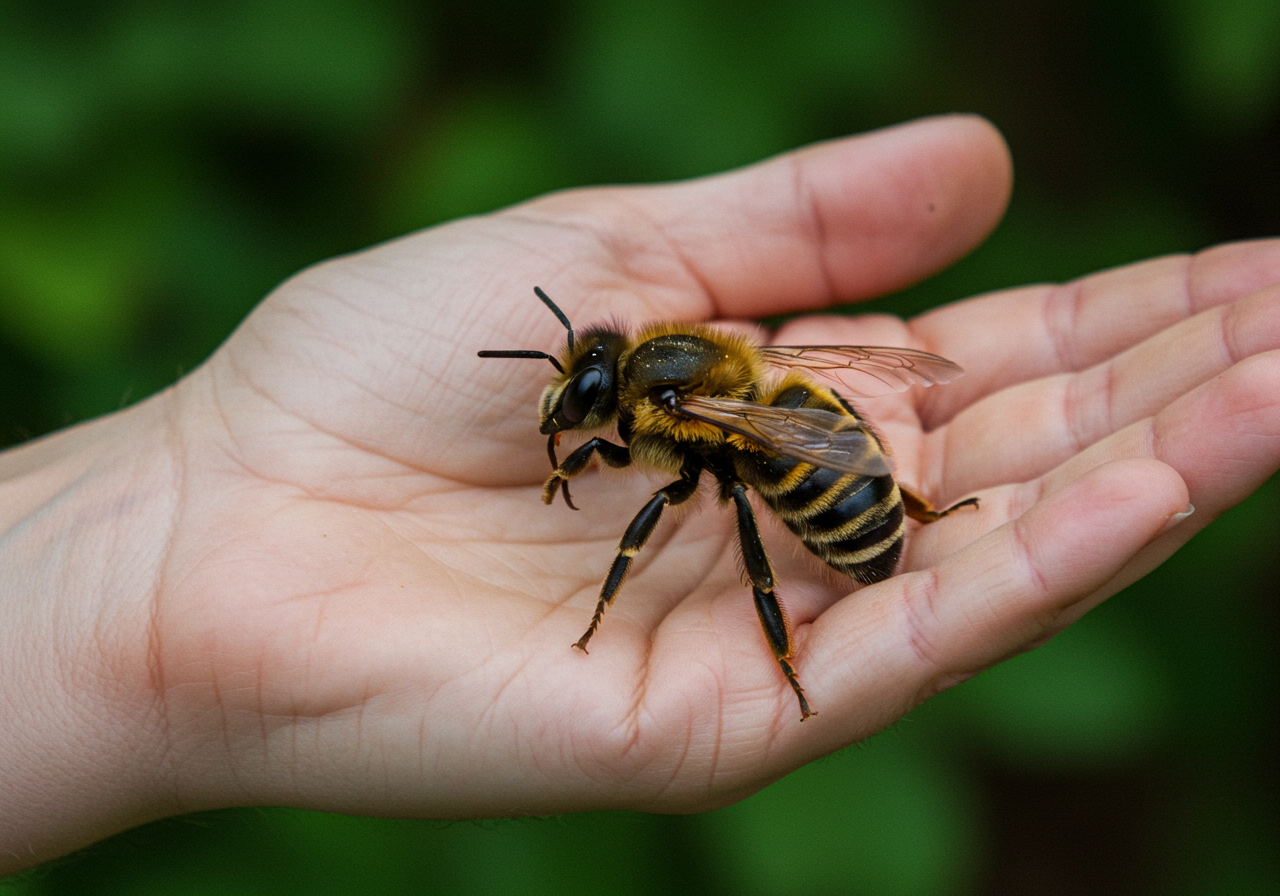
- Honey Bees: These fuzzy, golden-brown insects are pollinators and incredibly important for our environment. They live in large colonies and store honey. You might find their nests in hollow trees, wall voids, or attics. While generally not aggressive unless their hive is threatened, a large colony inside your home can cause structural damage from stored honey and wax, attracting other pests. If you suspect honey bees, humane relocation is often the best option to protect these beneficial insects.
- Carpenter Bees: These large, shiny black bees look similar to bumblebees but have a smooth, hairless abdomen (bumblebees are fuzzy all over). They don't live in colonies or make honey. Instead, female carpenter bees bore perfectly round holes into untreated wood – like your deck, fascia boards, or eaves – to lay their eggs.
- The Danger: These tunnels can weaken wooden structures over time. If left untreated, a single carpenter bee can create tunnels up to 10 feet long in your home's wooden structures. They also attract woodpeckers, which can cause even more damage trying to get to the bee larvae!
- Wasps (Yellowjackets, Hornets, Paper Wasps): These are generally sleeker, often brightly colored (yellow and black), and more aggressive than bees, especially in late summer and fall. They don't pollinate or make honey.
- Yellowjackets: Small, aggressive, often nest in the ground, in wall voids, or even in discarded items. They're notorious for crashing picnics!
- Hornets: Larger and often black and white or reddish-brown. Baldfaced hornets build large, gray, football-shaped nests in trees or under eaves. European hornets can be found nesting in hollow trees, attics, or wall voids.
- Paper Wasps: Build umbrella-shaped nests hanging from eaves, window sills, or porch ceilings. They're generally less aggressive than yellowjackets or hornets but will sting if their nest is disturbed.
- The Danger: Unlike bees, wasps can sting multiple times, and their stings can be very painful, especially for those with allergies. According to some estimates, stinging insects like wasps and bees send over half a million people to the emergency room each year nationwide. A nest near a high-traffic area of your home is a serious hazard.
The Seasonal Cycle of Stinging Nests
Understanding when these pests are most active can help you prevent problems.
- Spring: Queen wasps and carpenter bees emerge from hibernation and begin building new nests or tunnels to lay eggs. This is a crucial time for early detection.
- Summer: Nests grow rapidly. Wasp colonies can reach hundreds or even thousands of individuals by mid-to-late summer. Carpenter bee activity is at its peak as they continue to tunnel.
- Fall: Wasp colonies begin to decline, but the remaining workers can become much more aggressive as food sources become scarce and they feel the impending end of their season. Honey bees are preparing for winter.
Structural Risks: More Than Just a Sting
Beyond the threat of stings, stinging insects can pose significant risks to your home:
- Carpenter Bees: Their tunneling directly damages wooden elements of your home, leading to costly repairs if ignored.
- Honey Bees: A large hive inside a wall can lead to honey seeping into drywall, insulation, and even electrical outlets, causing odors, stains, and attracting other pests like ants and rodents. The weight of a large hive can also damage structural integrity.
- Wasps: While they don't directly damage wood like carpenter bees, large nests in attics or wall voids can compact and soil insulation, and the constant activity can be unsettling.
Our Approach to Bee Control in Winchester (Winsted)
When you discover a bee or wasp problem, especially in Winchester (Winsted), it's best to call a professional. Trying to remove a nest yourself can be dangerous and often ineffective.
At Defense Pest And Wildlife Control, we provide comprehensive Bee Control services designed to protect your home and family. Here's how we help:
- Thorough Inspection: We start with a detailed inspection to correctly identify the type of insect, locate all nests and entry points, and assess any potential damage. We'll check your eaves, attics, sheds, deck areas, and any potential entry points around your home in Winchester (Winsted).
- Safe & Effective Treatment:
- Honey Bees: Whenever possible, we prioritize the safe and humane relocation of honey bee hives. We work with local beekeepers to ensure these vital pollinators are protected and moved to a safe environment.
- Carpenter Bees & Wasps: For these pests, we employ targeted and environmentally responsible treatments. Our methods are designed to be safe for your family and pets while effectively eliminating the threat. We don't just spray; we aim to solve the problem at its source.
- Professional Nest Removal: Once treated, it's crucial to remove the nest safely. For wasps, this prevents secondary pest issues. For honey bees, removing the honey and comb prevents rot, mold, and attraction of other pests.
- Preventative Sealing (Exclusion): This is a cornerstone of our long-term solution. After removing the immediate threat, we identify and seal entry gaps, cracks, and holes in your home's exterior that insects might use. This might involve repairing damaged wood, screening vents, or sealing gaps around utility lines. This full-structure exclusion approach is what sets us apart – we don't believe in temporary fixes. We defend your home against future invasions.
Why Choose Defense Pest And Wildlife Control for Your Winchester (Winsted) Home?
We're proud to serve homeowners in Winchester (Winsted) and throughout Litchfield County, including towns like New Hartford, Torrington, Litchfield, and many others. Our commitment is to:
- Safety First: Protecting your family, pets, and the environment is our top priority.
- Long-Term Solutions: We focus on preventing future problems, not just treating current ones.
- Expertise: Our team is highly trained in identifying and managing a wide range of pest and wildlife issues.
Don't let buzzing pests take over your Winchester (Winsted) home. If you're dealing with bees, wasps, or any other stinging insect problem, it's time to call the professionals.
Contact Defense Pest And Wildlife Control today for a consultation and reclaim your peace of mind!
More Blogs
Some other blogs you might be interested in