Kent, CT Bee & Wasp Control: Safe Removal & Home Protection
Protect your Kent, CT home from stinging invaders. Our expert guide helps you understand honey bees, carpenter bees, and wasps, their risks, and how Defense Pest And Wildlife Control provides safe, lasting solutions for removal, nest prevention, and sealing entry points, keeping your family safe and your property secure.
Buzz Off! Your Guide to Safe Bee & Wasp Control in Kent, Connecticut
When the warm weather arrives in Kent, Connecticut, so do the buzzing insects – and sometimes, they get a little too close for comfort. While many bees are essential pollinators we love to see in our gardens, others, along with their aggressive cousins like wasps and hornets, can become a real problem when they decide to set up home too near yours.
At Defense Pest And Wildlife Control, we understand that finding a nest near your home can be alarming. It’s not just about the fear of a sting; some of these insects can actually cause damage to your property. That's why understanding who you're dealing with and how to handle them safely is key.
Not All Buzzes Are Created Equal: Knowing Your Stinging Insects
Before you call for help, it's useful to know a little about who's visiting your property. Different stinging insects have different habits and require different approaches.
1. Honey Bees: Our Pollinating Friends
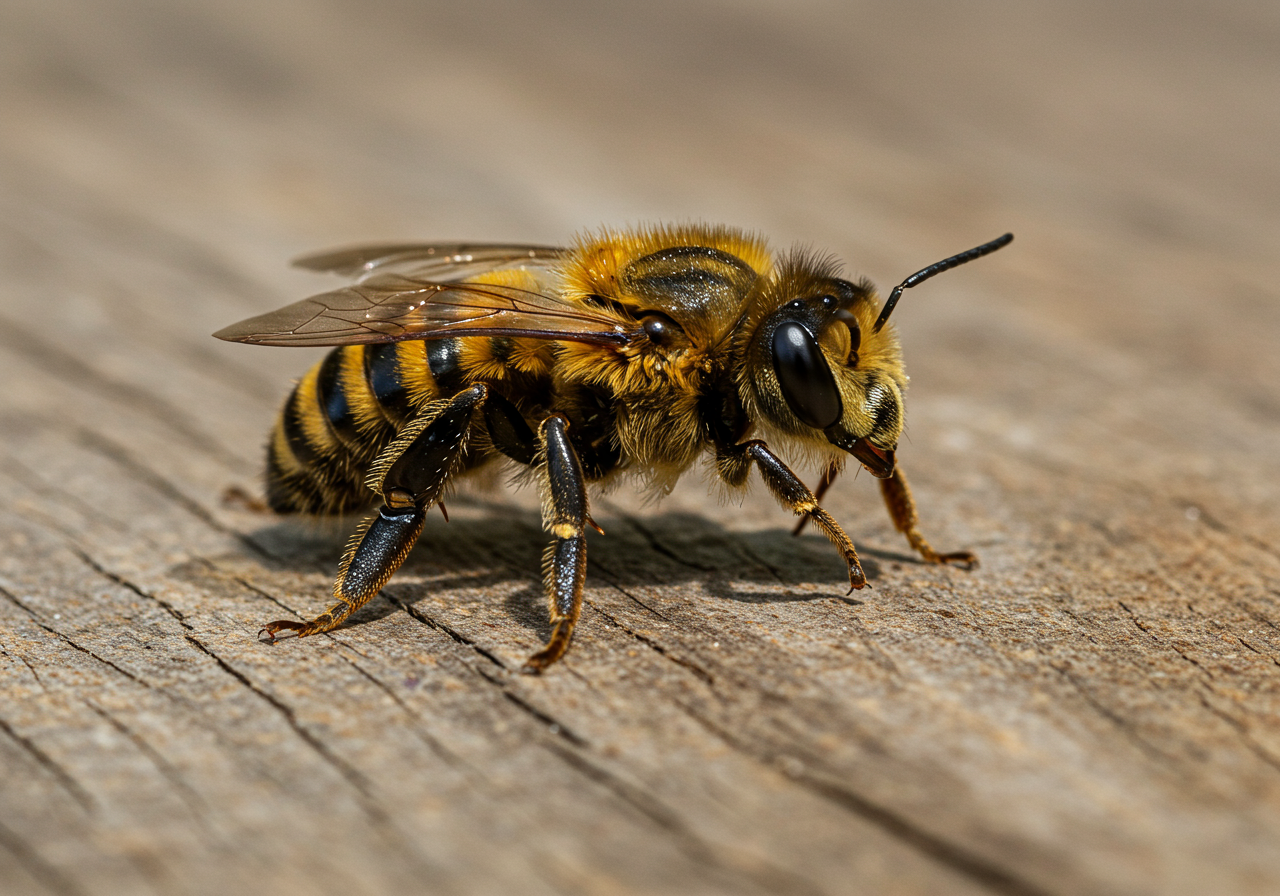
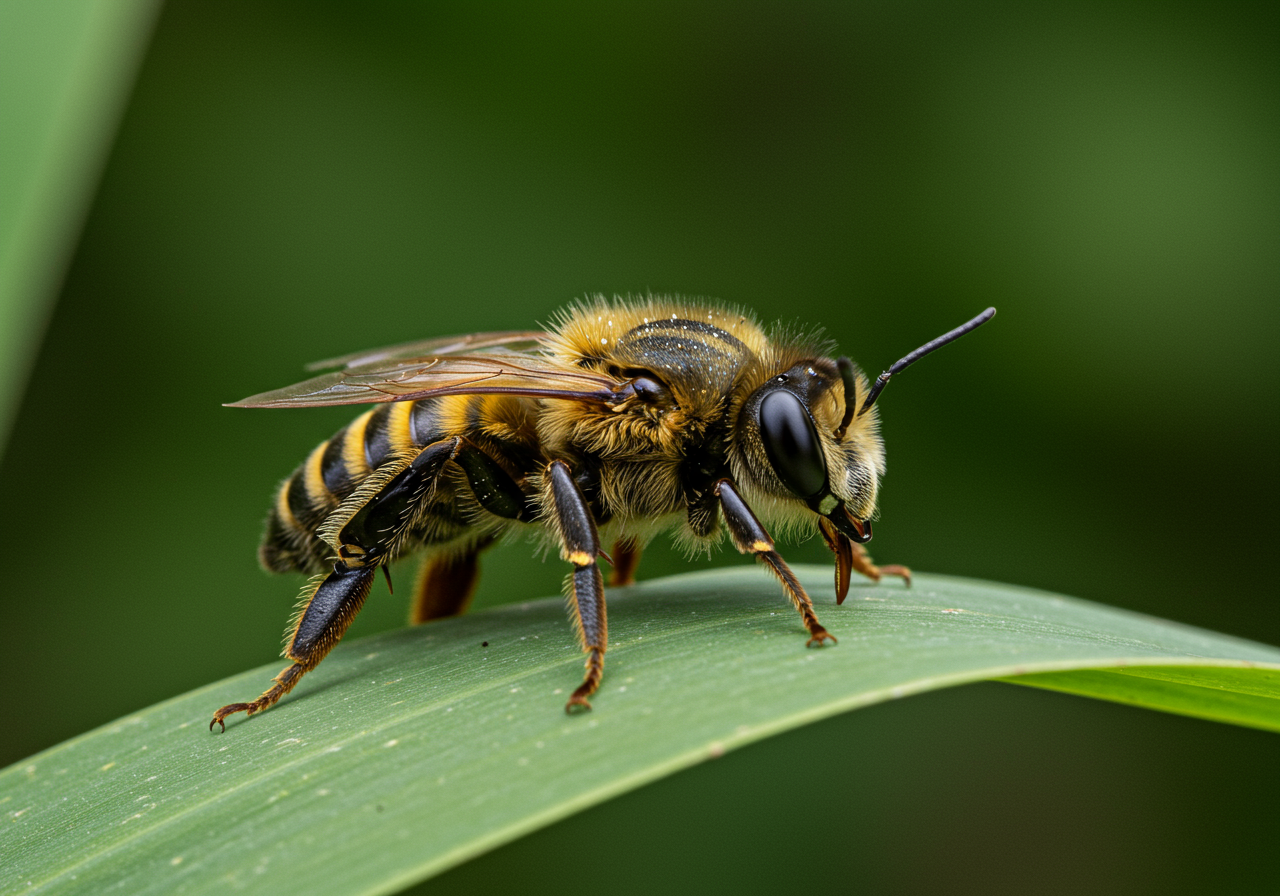
- Appearance: Fuzzy, brownish-yellow, often seen on flowers.
- Behavior: Generally gentle, only sting if provoked or if their hive is threatened. They live in large colonies, often producing honey. In spring and early summer, you might see a "swarm" – a cluster of bees looking for a new home. This is often temporary, and they're usually just resting.
- Seasonal Nesting: They build complex wax combs, often in hollow trees, wall voids, or chimneys.
- Risks: While crucial for our environment, a hive inside a home can lead to issues with honey, wax, and potential structural damage if left unaddressed.
- Important Note: Honey bees are vital pollinators. Professional bee removal usually aims for relocation rather than extermination when dealing with honey bees.
2. Carpenter Bees: The Wood Worriers
- Appearance: Large, shiny black body with some yellow fur on the head. Often mistaken for bumblebees, but their abdomen is smooth and hairless, not fuzzy.
- Behavior: Solitary bees. The males can be aggressive and buzz around people, but they can't sting. Females can sting but rarely do.
- Seasonal Nesting: They don't live in colonies but instead bore perfectly round holes (about the size of a dime) into untreated wood to lay their eggs. You'll often find these tunnels in eaves, fascia boards, deck railings, and wooden outdoor furniture, especially in spring.
- Structural Risks: Over time, carpenter bee tunnels can cause significant damage to wooden structures. The tunnels can weaken the wood, and moisture can get in, leading to rot. This can compromise the integrity of your home's exterior.
3. Wasps & Hornets: The Aggressive Neighbors
- Appearance: Generally sleeker, less hairy than bees, with distinct waists. Colors vary – yellow and black (yellowjackets), black and white (baldfaced hornets).
- Behavior: Can be very aggressive, especially when their nest is disturbed. They can sting multiple times, and their stings can be quite painful and dangerous for those with allergies.
- Seasonal Nesting:
- Yellowjackets: Often build paper nests underground in old rodent burrows, in wall voids, or hanging from eaves and branches. They are highly attracted to sugary foods and proteins, making them a common nuisance at outdoor gatherings in late summer.
- Hornets: Build large, football-shaped paper nests high in trees, shrubs, or under eaves. Baldfaced hornets are particularly defensive of their nests.
- Structural Risks: While they don't damage wood like carpenter bees, their nests in or on your home can create a direct threat to your family and pets. Nests in wall voids can become a significant problem, as the insects can chew through drywall to enter your living space.
When Bees & Wasps Become a Home Hazard
Whether it's the constant worry of a sting or potential damage to your property, stinging insects can turn your comfortable Kent home into a stressful environment. Did you know that stinging insects account for millions of emergency room visits each year across the country due to allergic reactions? Even without an allergy, a swarm of angry wasps is something no homeowner wants to face.
Specifically, watch out for:
- Visible Nests: Paper nests under eaves, in trees, or mud tubes on walls.
- Holes in Wood: Perfectly round holes in your deck, porch, or siding, often with sawdust nearby.
- Increased Activity: A sudden surge of buzzing insects around a particular area of your home, especially a crack or crevice.
Your Solution for Safe & Effective Bee Control in Kent
Dealing with stinging insects can be dangerous, especially if you're unsure of the species or the size of the nest. That's where Defense Pest And Wildlife Control comes in. Our team is trained and equipped to handle these situations safely and effectively, protecting your family and your property.
Here’s how we tackle bee and wasp problems:
1. Thorough Inspection & Identification
Our first step is always to understand the situation. We'll meticulously inspect your property in Kent, pinpointing the type of stinging insect, the location of the nest, and the extent of the infestation. This allows us to create a tailored and safe plan.
2. Safe & Targeted Treatment
Once we've identified the problem, we use safe and effective methods to treat the nest. Our goal is to eliminate the immediate threat while minimizing risk to you, your family, and non-target organisms. For honey bees, our priority is always to explore safe relocation options whenever possible.
3. Professional Nest Removal
After treatment, removing the nest is often crucial. For wasps and hornets, this prevents future infestations in the same spot. For honey bees, professional removal of honeycombs from inside walls or attics is essential to prevent attracting other pests like ants and rodents, as well as avoiding structural issues from melting honey.
4. Long-Term Prevention: Sealing Entry Gaps
This is where Defense Pest And Wildlife Control truly excels. We don't just treat the immediate problem; we help prevent future ones. Our team will identify and seal potential entry points around your home that insects might use to get inside. This can include:
- Filling carpenter bee holes: We'll treat the tunnels and then seal them to prevent new bees from using them.
- Sealing cracks and crevices: Closing off tiny openings that wasps and bees might exploit to build nests in your walls or attic.
- Custom Metal Exclusion Systems: For more robust prevention, especially against wildlife that might create entry points, we can install custom metal exclusion systems. This durable solution helps keep pests out for good, reflecting our commitment to long-term protection for your home.
Why Choose Defense Pest And Wildlife Control for Your Kent Home?
At Defense Pest And Wildlife Control, we pride ourselves on raising the standard of excellence. We are dedicated to providing honest, high-quality, and long-lasting solutions. Our approach focuses on not just solving your current bee or wasp problem but also on preventing future invasions. We believe in craftsmanship and relentless attention to detail, ensuring your peace of mind.
We are proud to serve homeowners in Kent and throughout Litchfield County, including communities like New Milford, Torrington, Litchfield, and many others. If stinging insects are making you uncomfortable at home, don't wait for a painful encounter.
Protect your family and your property. Call Defense Pest And Wildlife Control today at +1 (860) 709-1898 for a comprehensive inspection and a safe, effective solution. If wildlife attack, we got your back!
More Blogs
Some other blogs you might be interested in