Harwinton Bee Control: Safe Removal & Prevention for Your Home | Defense Pest And Wildlife Control
Facing bee or wasp issues in Harwinton, CT? Defense Pest And Wildlife Control offers expert solutions. This guide helps homeowners understand common buzzing pests like honey bees, carpenter bees, and wasps, explaining their nesting habits and risks to your property. Learn about our safe inspection process, effective treatment options, and long-term prevention strategies to keep your home protected and pest-free. Get lasting peace of mind with our proven bee control services.
Bee Control in Harwinton, Connecticut: Protecting Your Home from Buzzing Intruders
Harwinton, Connecticut, with its beautiful landscapes and charming homes, is a wonderful place to live. However, the same natural beauty that we cherish can also attract unwanted guests: bees and wasps. While many buzzing insects are vital to our ecosystem, finding a nest too close to your home or discovering wood-boring bees can quickly turn from a minor annoyance into a serious problem.
At Defense Pest And Wildlife Control, we understand the unique challenges Harwinton homeowners face when dealing with these pests. Our goal is to provide safe, effective, and long-lasting solutions to protect your family and your property.
Why Bee and Wasp Control Matters in Harwinton
A buzzing around your backyard barbecue might seem harmless, but left unchecked, bees and wasps can pose significant risks:
- Stings and Allergic Reactions: Wasps, especially yellow jackets and hornets, can be aggressive, stinging multiple times. For the estimated 2 million Americans who are allergic to insect stings, an encounter can be life-threatening, requiring immediate medical attention. Even for those not allergic, stings are painful and can cause swelling and discomfort.
- Property Damage: Carpenter bees bore into wooden structures, weakening decks, eaves, and fascia boards over time. Honey bees, if nesting inside walls, can create large combs filled with honey and wax, leading to structural damage, insulation issues, and attracting other pests if the nest is not properly removed.
- Peace of Mind: No one wants to constantly worry about their family or pets getting stung every time they step outside. Taking care of a bee or wasp problem restores comfort and safety to your home.
Know Your Buzzing Neighbors: Bees, Carpenter Bees, and Wasps
Not all buzzing insects are created equal. Identifying the type of insect is the first crucial step in effective control.
1. Honey Bees: The Pollinators
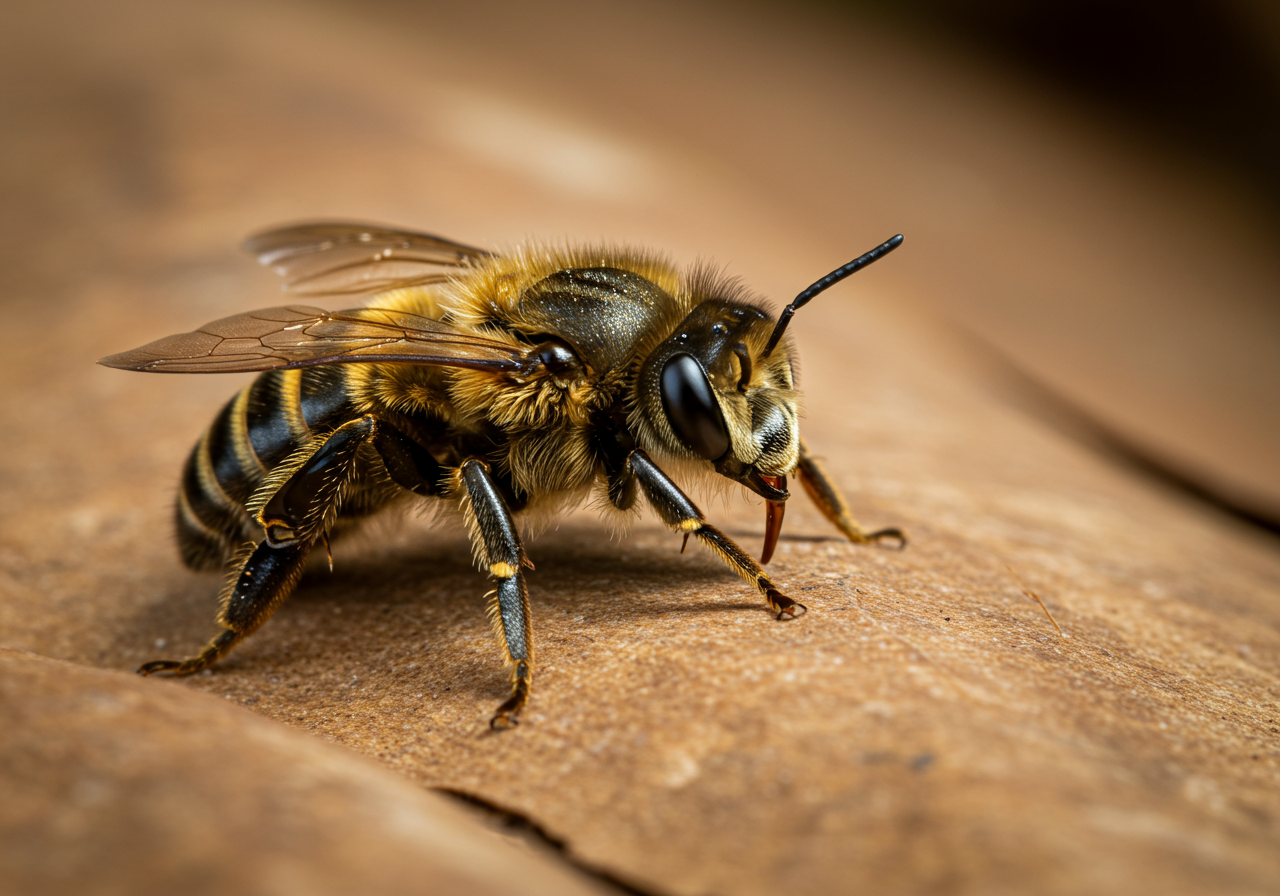
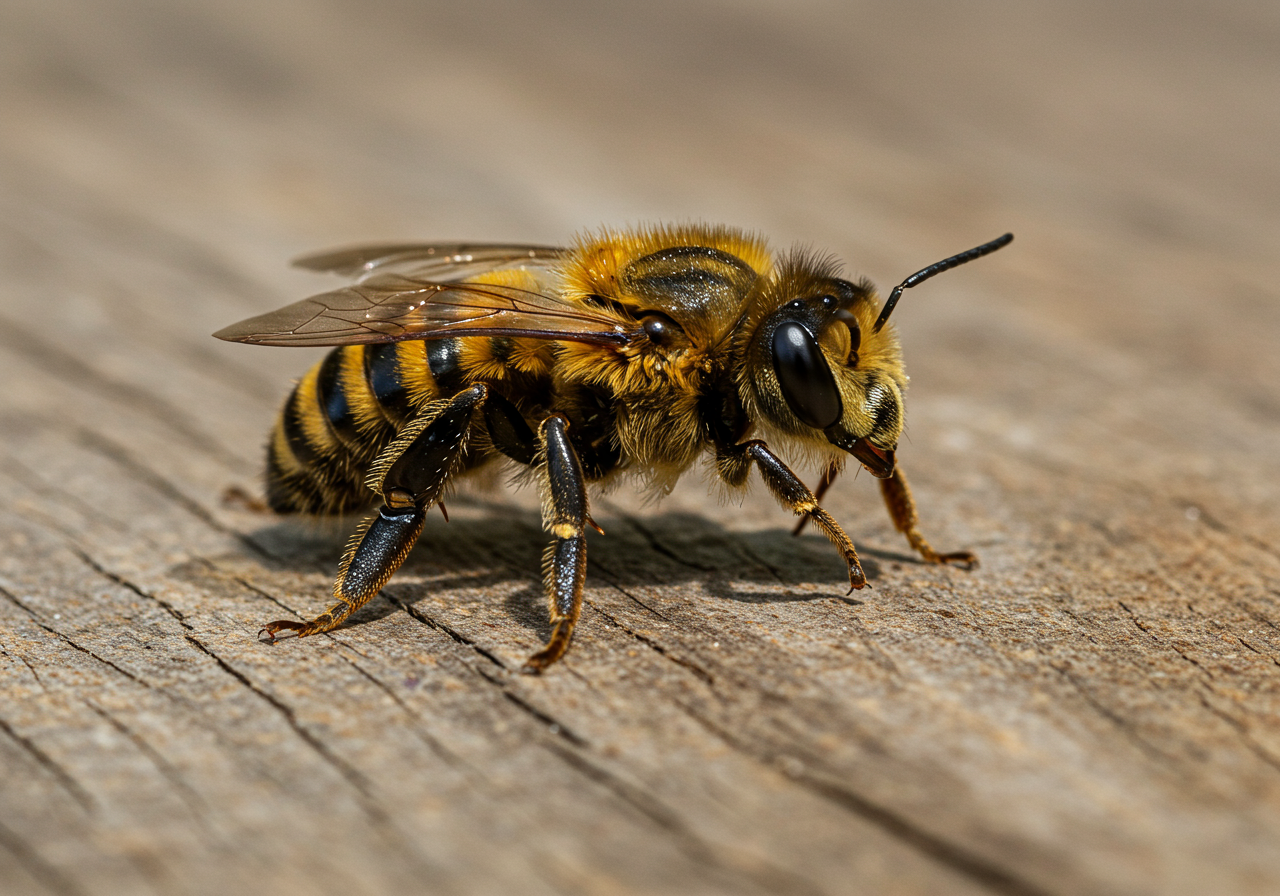
Honey bees are fuzzy, typically brownish-yellow, and play an essential role in pollinating plants and producing honey. They usually nest in hollow trees but can occasionally form swarms or establish nests in wall voids, chimneys, or attics.
- Behavior: Generally docile unless their nest is threatened. A large swarm might appear suddenly, often as a temporary resting spot before they find a new home.
- Concerns: If honey bees nest inside your home, the comb and honey can cause significant structural damage and attract other pests if not handled properly.
- Our Approach: We prioritize humane relocation when possible, especially for established colonies within structures. We never want to unnecessarily harm these beneficial insects.
2. Carpenter Bees: The Wood Borers
Carpenter bees look like large, shiny black and yellow bumblebees, but they have a smooth, shiny black abdomen (bumblebees have a hairy abdomen). They don't eat wood but bore perfectly round, dime-sized holes into soft, unfinished wood to create tunnels for their eggs.
- Behavior: You'll often see them hovering around eaves, decks, and fascia boards. Males can be aggressive, dive-bombing people, but they cannot sting. Females can sting but rarely do unless provoked.
- Structural Risks: Their tunneling can weaken wooden structures over time. Over several seasons, extensive damage can occur, costing homeowners significant repair expenses. Studies show that untreated carpenter bee infestations can lead to thousands of dollars in repairs over time.
- Seasonal Activity: They emerge in spring, drill new tunnels or expand old ones, lay eggs, and then their offspring emerge later in the summer.
3. Wasps (Yellow Jackets, Hornets, Paper Wasps): The Aggressors
Wasps are generally more slender than bees, with a distinct "waist." Their colors vary, but yellow jackets are often bright yellow and black, while hornets are larger and can be black and white or reddish-brown.
- Behavior: Wasps can be highly aggressive, especially when their nest is disturbed. Yellow jackets are notorious for nesting in the ground, in wall voids, or under eaves, and they love scavenging for sweets and proteins at picnics. Hornets build large, papery nests, often in trees or under eaves.
- Concerns: Unlike bees, wasps can sting multiple times. Their stings are painful and can trigger severe allergic reactions.
- Seasonal Threat: Wasp colonies grow throughout the summer, reaching their largest size and most aggressive state in late summer and early fall, just when many Harwinton families are enjoying their outdoor spaces.
Seasonal Nesting Behavior and Growing Problems
Understanding the life cycle of these pests helps explain why they become a problem at certain times of the year:
- Spring: Queen wasps and carpenter bees emerge from hibernation, seeking out new nesting sites or expanding old ones.
- Summer: Colonies grow rapidly. Honey bee swarms may appear, and wasp nests can become quite large, housing hundreds or even thousands of individuals. Carpenter bee larvae are developing within their tunnels.
- Fall: Wasp colonies reach their peak size and aggression as they search for food before winter. Honey bees prepare to overwinter, and new carpenter bees may emerge.
Defense Pest And Wildlife Control's Approach to Bee & Wasp Control in Harwinton
When you have a bee or wasp problem in Harwinton, you need a solution that's effective, safe, and tailored to your specific situation. That's where Defense Pest And Wildlife Control comes in.
- Comprehensive Inspection: Our trained professionals start with a thorough inspection of your property. We'll identify the type of insect, locate all nesting sites, and assess the extent of the infestation and any potential damage. This crucial step ensures we choose the most appropriate and effective treatment plan.
- Safe & Targeted Treatment Methods: We use advanced, industry-approved techniques and products to treat bee and wasp nests safely and efficiently. We focus on direct treatment of the nest to minimize impact on your home and the environment. For honey bees, we prioritize safe removal and relocation when feasible, working with local beekeepers if appropriate.
- Professional Nest Removal: Once treated, dead nests (especially wasp and hornet nests) and any residual materials (like honey or wax from a honey bee colony) are safely removed. This prevents future problems and eliminates potential attractants for other pests.
- Preventative Sealing of Entry Points: For carpenter bees, or to prevent wasps and honey bees from re-entering structures, we offer solutions to seal entry points. This can include filling holes, repairing damaged wood, and, when necessary, implementing custom metal exclusion systems. Our focus is on long-term prevention, ensuring these pests can't easily return.
- Emphasis on Safety: Your family's safety, your pets' well-being, and environmental responsibility are our top priorities. All treatments are performed with the utmost care by licensed and experienced technicians.
Why Choose Defense Pest And Wildlife Control for Your Harwinton Home?
At Defense Pest And Wildlife Control, we are committed to providing the highest standard of excellence in pest and wildlife control.
- Local Expertise: We proudly serve Harwinton, CT, and surrounding communities in Litchfield County, including Torrington, New Hartford, Litchfield, Plymouth, Thomaston, and many more. We understand the local pest pressures specific to our region.
- Tailored Solutions: We don't believe in one-size-fits-all. Every bee and wasp problem is unique, and our solutions are customized to effectively resolve your specific issue.
- Long-Term Prevention: Our commitment isn't just to remove the current problem, but to defend your home against future infestations. Our comprehensive approach, including preventative measures like exclusion and sealing, provides lasting peace of mind.
- Experienced Professionals: Our team is trained in the latest pest control techniques and committed to honest, high-quality workmanship. We handle everything from "Bee Control" to "Rodent control" and "Wildlife control."
Don't let buzzing pests take over your Harwinton home. If you're dealing with carpenter bees drilling into your deck, a wasp nest under your eaves, or a honey bee swarm, it's time to call in the experts.
Contact Defense Pest And Wildlife Control LLC today at +1 (860) 709-1898 for a consultation and let us help you reclaim your home from unwanted guests. If wildlife attack, we got your back!
More Blogs
Some other blogs you might be interested in