Warren CT Bee & Wasp Control: Safe Removal, Lasting Protection for Your Home
Discover effective and safe bee and wasp control solutions in Warren, Connecticut with Defense Pest And Wildlife Control. Learn how to identify common pests like honey bees, carpenter bees, and wasps, understand their nesting habits, and the potential risks to your home. Our experts provide thorough inspections, humane removal, and preventative sealing to ensure your family and property are protected from stinging insects all season long. Get peace of mind with our long-term prevention strategies.
Buzzing Trouble in Warren, CT? Your Guide to Safe Bee & Wasp Control
Few things disrupt a peaceful day in Warren, Connecticut, like the sudden appearance of buzzing insects around your home. While bees and wasps play important roles in our ecosystem, finding them nesting too close for comfort can be alarming, and even dangerous. Whether it's the gentle hum of honey bees, the persistent drilling of carpenter bees, or the aggressive sting of a yellow jacket, knowing how to handle these uninvited guests is key to keeping your home and family safe.
At Defense Pest And Wildlife Control, we understand the unique challenges homeowners in Warren face with stinging insects. We're here to help you understand who's buzzing around, what risks they pose, and how we can safely and effectively remove them and prevent their return.
Getting to Know Your Stinging Neighbors: Bees vs. Wasps
It's easy to call every flying, stinging insect a "bee," but there are important differences that affect how they should be handled.
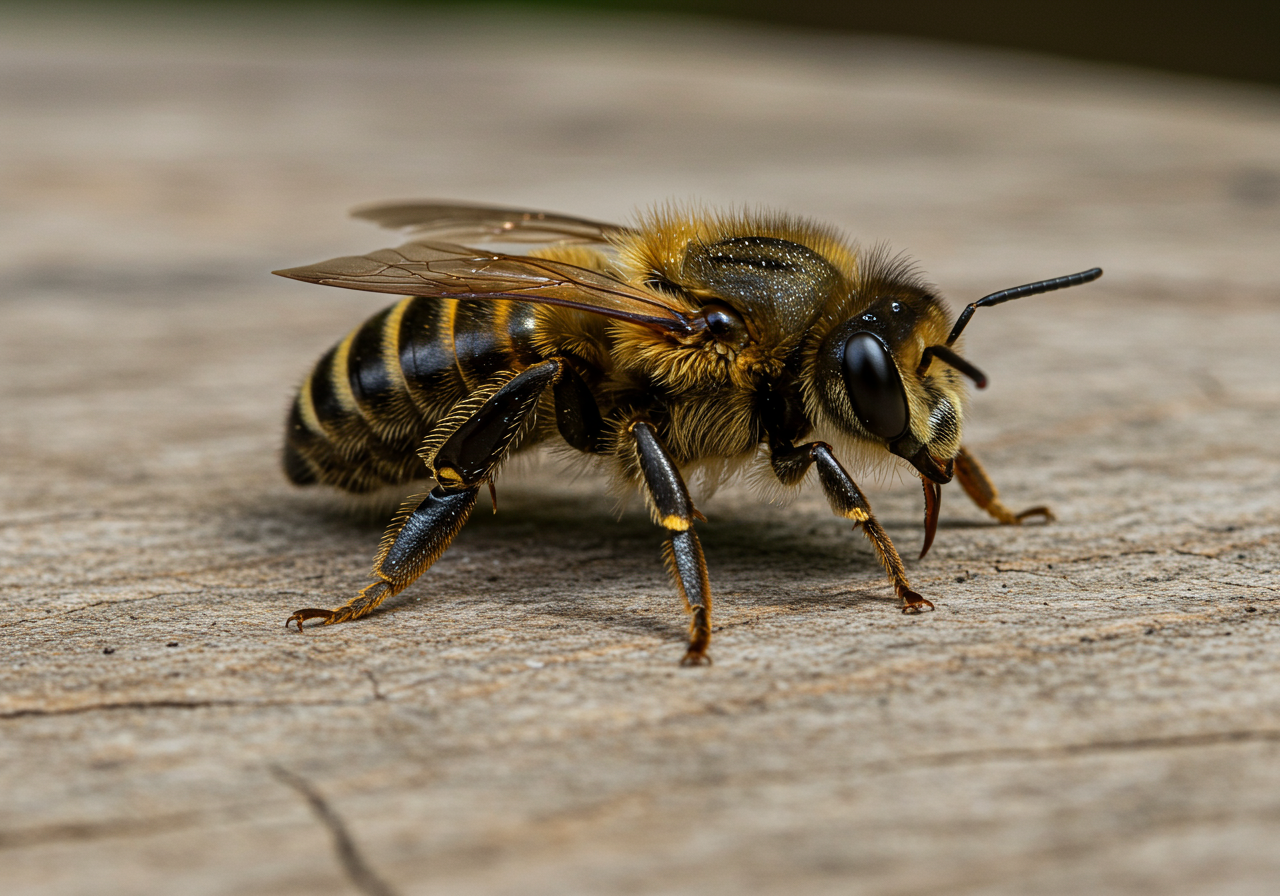
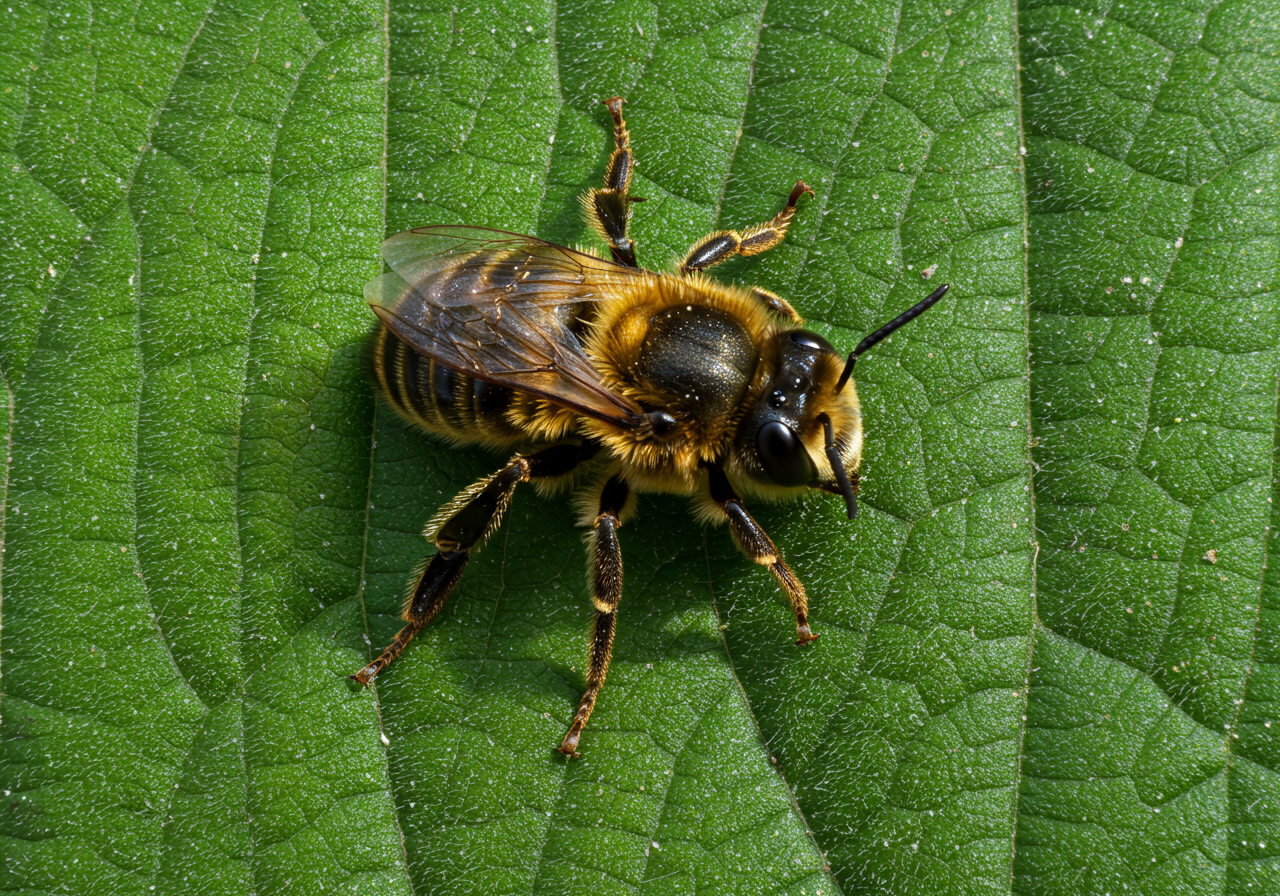
- Honey Bees: These fuzzy, golden-brown insects are vital pollinators. They live in large colonies and often build their characteristic honeycomb nests in hollow spaces, like inside walls or tree cavities. While generally docile, a honey bee swarm or an agitated nest can deliver painful stings. The biggest concern with honey bees nesting inside your home is the potential for honey and comb to melt and cause structural damage if not properly removed.
- Carpenter Bees: These large, shiny black bees look similar to bumblebees but have a smooth, hairless abdomen (bumblebees are fuzzy all over). Carpenter bees don't live in colonies; instead, individual females drill perfectly round holes into wood to lay their eggs. You'll often find them buzzing around decks, fascia boards, eaves, and outdoor furniture. The damage from their tunneling can weaken wooden structures over time.
- Wasps (Yellow Jackets & Hornets): These are the most aggressive of the bunch. Wasps, like yellow jackets, are typically bright yellow and black with a slender, defined waist. Hornets are larger and can be black and white (baldfaced hornets) or brown and yellow (European hornets). They can sting repeatedly and without provocation, especially if their nest is disturbed. Yellow jackets often build nests underground, in wall voids, or in dense bushes, while hornets construct large, papery nests in trees, shrubs, or under eaves.
Why They Choose Your Home & The Risks Involved
Spring and summer are prime nesting seasons for these insects. They're looking for shelter, food, and a safe place to raise their young. Your home offers appealing nooks and crannies:
- Hidden spaces: Wall voids, attics, and even forgotten sheds can be perfect for honey bees or yellow jackets.
- Wooden structures: Decks, pergolas, and untreated wooden siding are prime targets for carpenter bees.
- Overhangs and eaves: These sheltered spots are ideal for hornets to build their distinct paper nests.
The Dangers:
- Painful Stings: For most people, a sting is painful but harmless. However, an estimated 500,000 people visit emergency rooms each year due to insect stings, and for about 2 million Americans, insect stings can trigger a life-threatening allergic reaction (anaphylaxis).
- Property Damage: Carpenter bees can weaken wooden structures over time, leading to costly repairs. Honey bee nests left inside walls can leak honey, attracting other pests and causing stains or structural issues.
- Aggression: Wasps and hornets are notoriously aggressive, especially when defending their nests. Attempting DIY removal can provoke a swarm attack.
When to Call the Professionals for Bee Control in Warren, CT
Seeing a few bees in your garden is one thing, but if you notice any of the following, it’s time to seek expert help:
- A visible nest on or near your home (especially paper nests or ground nests).
- Increased activity around a specific entry point, like a crack in the siding or a hole in a tree.
- Persistent buzzing coming from inside your walls or ceiling.
- Damage to wooden structures, like perfectly round holes in your deck or fascia.
- Aggressive insects near areas where your family or pets frequent.
Trying to remove a nest yourself can be incredibly dangerous. Without the right protective gear and knowledge, you risk multiple stings and can even exacerbate the problem.
Our Trusted Approach to Bee & Wasp Control in Warren
At Defense Pest And Wildlife Control, we specialize in safe, effective, and long-lasting solutions for stinging insect problems. Our process ensures your Warren home is protected:
- Thorough Inspection: Our experts will carefully inspect your property to identify the type of insect, locate all nests, assess the extent of the infestation, and pinpoint potential entry points. This crucial step allows us to tailor the most effective treatment plan.
- Safe & Targeted Treatment: We use methods designed to safely neutralize the active infestation while minimizing impact on your family, pets, and the environment.
- For honey bees, we prioritize safe relocation whenever possible, recognizing their vital role in our ecosystem.
- For carpenter bees, treatment often involves addressing their tunnels directly.
- For wasps and hornets, we safely treat and remove the nests, often in one visit.
- Complete Nest Removal (When Necessary): Especially with honey bees inside walls, it's vital to remove the nest and any honey to prevent future problems like decay, mold, or attracting other pests.
- Preventative Sealing & Exclusion: This is where our expertise truly shines. Many stinging insects find their way into homes through tiny gaps and cracks. As part of our comprehensive pest and wildlife services, we offer custom metal exclusion systems and other sealing solutions. We identify and seal entry gaps, ensuring that once the current problem is resolved, these pests can't easily return. This long-term prevention is a cornerstone of our service, protecting your home for seasons to come. We don't believe in temporary fixes; we focus on defending your home permanently.
Your Local Warren, CT Pest & Wildlife Experts
Defense Pest And Wildlife Control is proud to serve homeowners across Litchfield County, including Warren, Torrington, New Milford, Watertown, Litchfield, New Hartford, Woodbury, and many other surrounding communities. We are committed to raising the standard of excellence in pest and wildlife control, delivering honest, high-quality workmanship, and relentless attention to detail.
Don't let stinging insects put a damper on your summer or compromise the safety of your Warren home. If you're dealing with bees, wasps, or hornets, trust the local professionals who prioritize your safety and peace of mind.
If you’re seeing unwelcome buzzing around your Warren, CT home, don’t hesitate to reach out. Contact Defense Pest And Wildlife Control LLC today for a safe and effective solution! We're here to defend your home.
More Blogs
Some other blogs you might be interested in