Plymouth, CT Bee & Wasp Control: Safe Removal & Home Protection
Are bees or wasps making themselves at home in your Plymouth, CT property? Our comprehensive guide uncovers the secrets of honey bees, carpenter bees, and wasps, explaining their unique behaviors and the structural damage they can cause. Defense Pest And Wildlife Control specializes in safe, effective bee and wasp removal and prevention. We provide thorough inspections, humane treatment plans, careful nest removal, and expert sealing to secure your home. Trust us for lasting protection against stinging pests in Plymouth, ensuring a peaceful and safe environment for your family.
Buzzing Trouble? Expert Bee Control in Plymouth, Connecticut
The warmer months in Plymouth, Connecticut, bring many joys: sunny days, blooming gardens, and outdoor activities. However, they can also bring an unwelcome guest: bees and wasps. While many of these buzzing insects play a vital role in our ecosystem, finding a nest too close to your home can turn peaceful enjoyment into a stressful situation. Understanding who's buzzing around and how to safely handle them is key to protecting your family and your property.
At Defense Pest And Wildlife Control, we’re committed to providing safe and effective solutions for bee and wasp issues right here in Plymouth and across Litchfield County.
Who's That Buzzing? Understanding Your Stinging Neighbors
Not all buzzing insects are the same, and identifying them is the first step toward effective and responsible control.
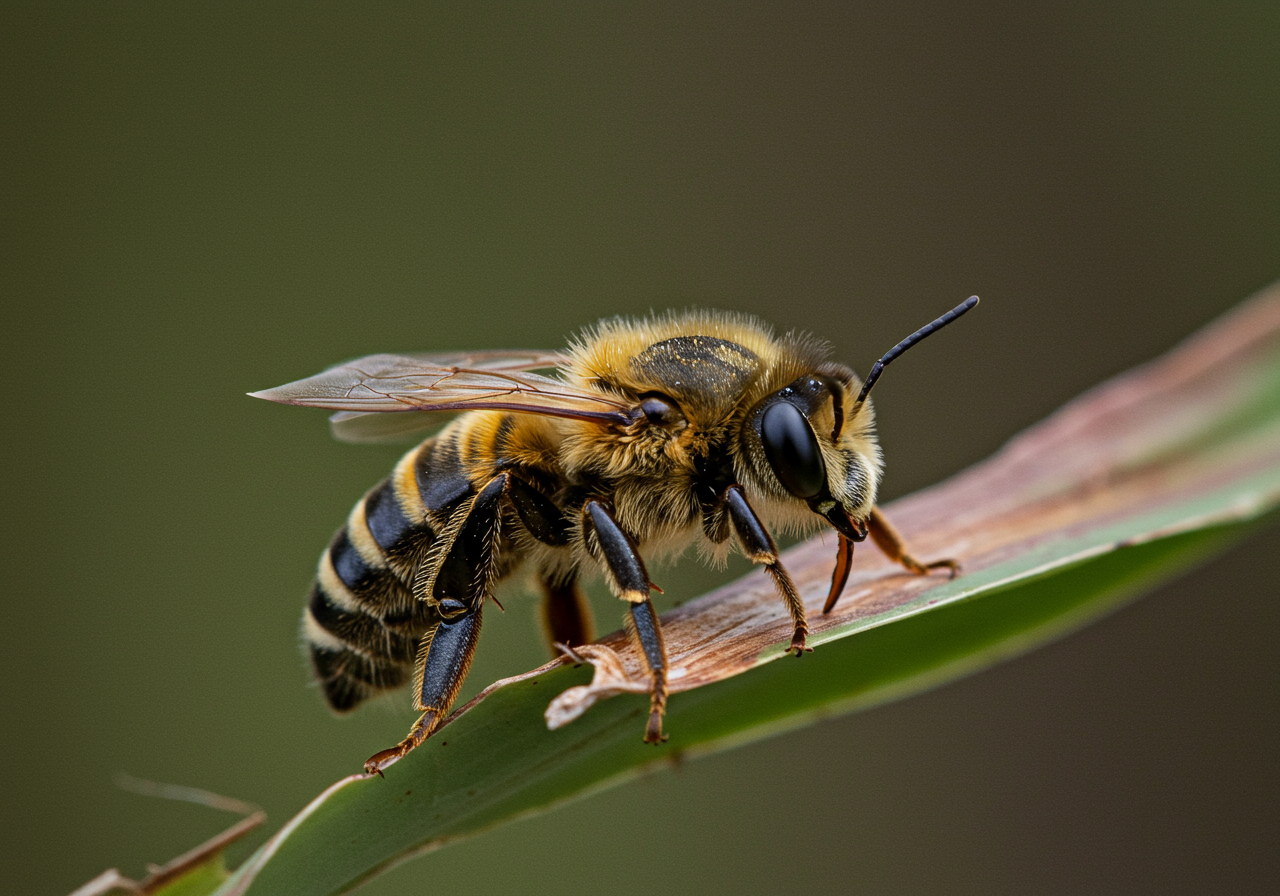
Honey Bees: Our Pollinating Friends
- Appearance: Fuzzy, yellowish-brown, and about 1/2 inch long.
- Behavior: Live in large colonies, produce honey and wax, and are crucial for pollinating plants, including many of the crops we rely on. They generally only sting when they feel their hive is directly threatened.
- Risks: While beneficial, a honey bee nest inside your walls or attic can lead to significant problems. Over time, melting honeycombs can cause structural damage, create stains, and attract other pests like ants or rodents.
- Important Note: Due to their critical role in the environment, professional services often prioritize relocating honey bee colonies whenever possible, rather than exterminating them.
Carpenter Bees: The Wood-Drilling Pests
- Appearance: Often mistaken for bumblebees, but carpenter bees have a shiny, hairless black abdomen, unlike the fuzzy abdomen of a bumblebee. They are typically about 1 inch long.
- Behavior: Solitary insects, but many can nest in the same area. They don't live in hives but drill perfectly round holes into wood to lay their eggs. You'll often see them hovering around eaves, decks, and fascia boards.
- Risks: While they don't sting aggressively (males can't sting, females rarely do), their tunneling can cause significant damage to wooden structures over time. They prefer untreated, unpainted wood. The sawdust they create, called frass, is a tell-tale sign, as are yellow-brown stains on the wood where they nest.
Wasps (Yellow Jackets & Hornets): The Aggressive Stingers
- Appearance: Generally more slender than bees, with smoother, less hairy bodies. Often brightly colored with distinct black and yellow or black and white markings.
- Behavior: Highly social insects living in colonies that can number in the thousands. They build paper nests, often in sheltered locations like under eaves, in attics, wall voids, trees, or even underground. Unlike bees, wasps can sting multiple times.
- Risks: Wasps, especially yellow jackets, can be very aggressive, particularly if their nest is disturbed. Their stings are painful and can trigger severe allergic reactions in some individuals. They are also attracted to human food and drinks, making outdoor gatherings risky if a nest is nearby.
Why Are They Drawn to Your Plymouth Home? Seasonal Nesting & Structural Concerns
Connecticut's climate provides ideal conditions for bees and wasps to thrive.
- Spring: Queen wasps emerge from hibernation to start new nests. Carpenter bees become active, seeking out soft or untreated wood for nesting.
- Summer: Colonies grow rapidly, leading to increased activity and the potential for nests to become larger and more noticeable.
- Fall: Wasps become more aggressive as their colonies decline and they search for sugary foods or sheltered places to overwinter.
Your home offers perfect nesting sites:
- Eaves, attics, and wall voids: Ideal for honey bees and wasps.
- Decks, fascia boards, sheds: Prime targets for carpenter bees.
- Ground holes or dense shrubs: Common spots for yellow jacket nests.
Beyond the immediate threat of stings, these pests can cause serious problems:
- Structural Damage: Carpenter bee tunnels weaken wood. Untreated honey bee nests can lead to moisture damage from melting honey and wax, attracting other pests, and even drywall damage.
- Safety Hazards: Nests in high-traffic areas or near entry points increase the risk of painful stings for family members and pets.
Your Solution for Bee and Wasp Control in Plymouth: Defense Pest And Wildlife Control
When you discover a bee or wasp problem, it’s crucial to act safely and effectively. That's where Defense Pest And Wildlife Control comes in.
Our Professional Bee Control Process:
- Thorough Inspection: Our experts will carefully inspect your property to identify the type of insect, locate all nesting sites, and assess the extent of the infestation. This step is vital because different species require different treatment approaches.
- Targeted, Safe Treatment: Based on our findings, we develop a customized plan.
- For honey bees, we prioritize relocation whenever possible, working with local beekeepers to ensure these vital pollinators are safely moved.
- For carpenter bees and wasps, we use safe and effective methods to treat the nests and eliminate the active colony, ensuring minimal risk to your family and pets. We avoid generic, harmful sprays that can be ineffective or dangerous.
- Nest Removal (When Necessary): Once a colony is treated, removing the nest itself is often a critical step. This is especially true for honey bee combs inside walls, as leaving them can attract other pests and cause further damage. Our team safely removes nests and cleans the affected area.
- Long-Term Prevention & Sealing: The best defense is a good offense. We don't just remove the problem; we help prevent it from returning. We'll identify and seal potential entry points in your home, such as cracks in foundations, gaps around windows and doors, and open vents. For robust protection, we specialize in custom metal exclusion systems, which offer a durable, long-term solution to keep pests out for good.
Serving Plymouth and Beyond!
Defense Pest And Wildlife Control is proud to offer comprehensive bee and wasp control services to homeowners throughout Plymouth, Connecticut, and surrounding towns. Whether you're in Torrington, Watertown, Thomaston, New Hartford, or anywhere else in Litchfield County, our experienced team is ready to help defend your home.
Don't let buzzing pests put a damper on your enjoyment of your home. If you're dealing with a bee or wasp problem in Plymouth, CT, contact Defense Pest And Wildlife Control today. We're here to provide safe, effective, and lasting solutions. Give us a call at +1 (860) 709-1898 or visit our website to schedule your inspection!
More Blogs
Some other blogs you might be interested in