North Canaan Bee & Wasp Control: Safe Solutions for Your Home | Defense Pest And Wildlife Control
Discover professional bee and wasp control services tailored for North Canaan, Connecticut homeowners. Learn the difference between honey bees, carpenter bees, and wasps, understand their nesting habits, and the potential risks they pose to your property. Defense Pest And Wildlife Control provides expert inspections, safe removal of nests, and effective strategies to prevent future infestations, ensuring a sting-free and protected home environment. Get peace of mind with our long-term prevention solutions.
Buzzing Trouble in North Canaan? Your Guide to Safe Bee & Wasp Control
Summer in North Canaan, Connecticut, brings warm weather, blooming flowers, and unfortunately, often brings uninvited buzzing guests. Bees and wasps are a common sight, and while many are beneficial, some can become a real nuisance or even a danger when they decide to build nests too close to your home. Understanding who these buzzing insects are and how to deal with them safely is key to enjoying your North Canaan property.
At Defense Pest And Wildlife Control LLC, we specialize in keeping your home safe and free from these stinging pests, with a strong focus on effective, long-lasting solutions for families in North Canaan and throughout Litchfield County.
Who's Buzzing Around Your North Canaan Home? Know Your Stinging Insects
Not all buzzing insects are the same, and knowing the difference is the first step to proper control. Here's a quick guide to the most common types you might encounter:
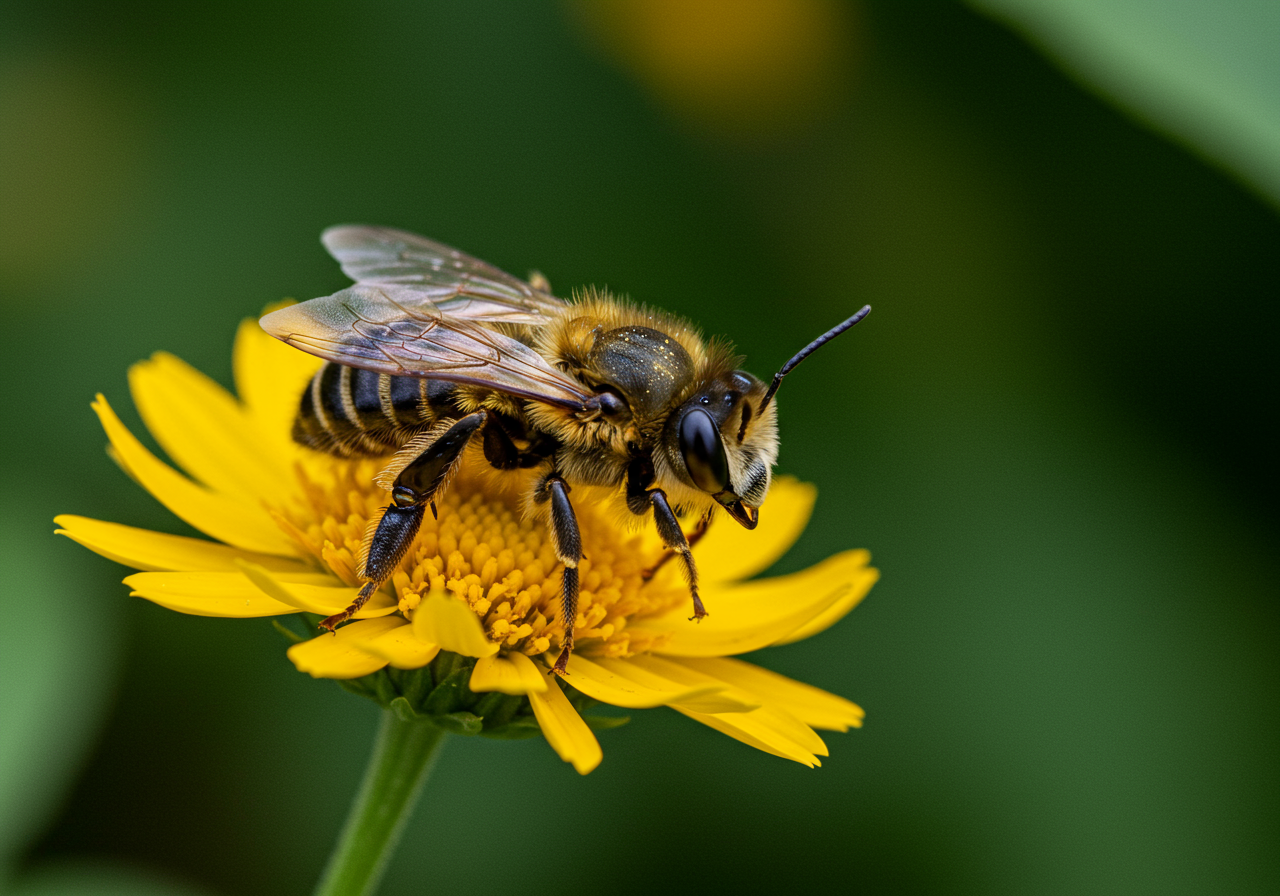
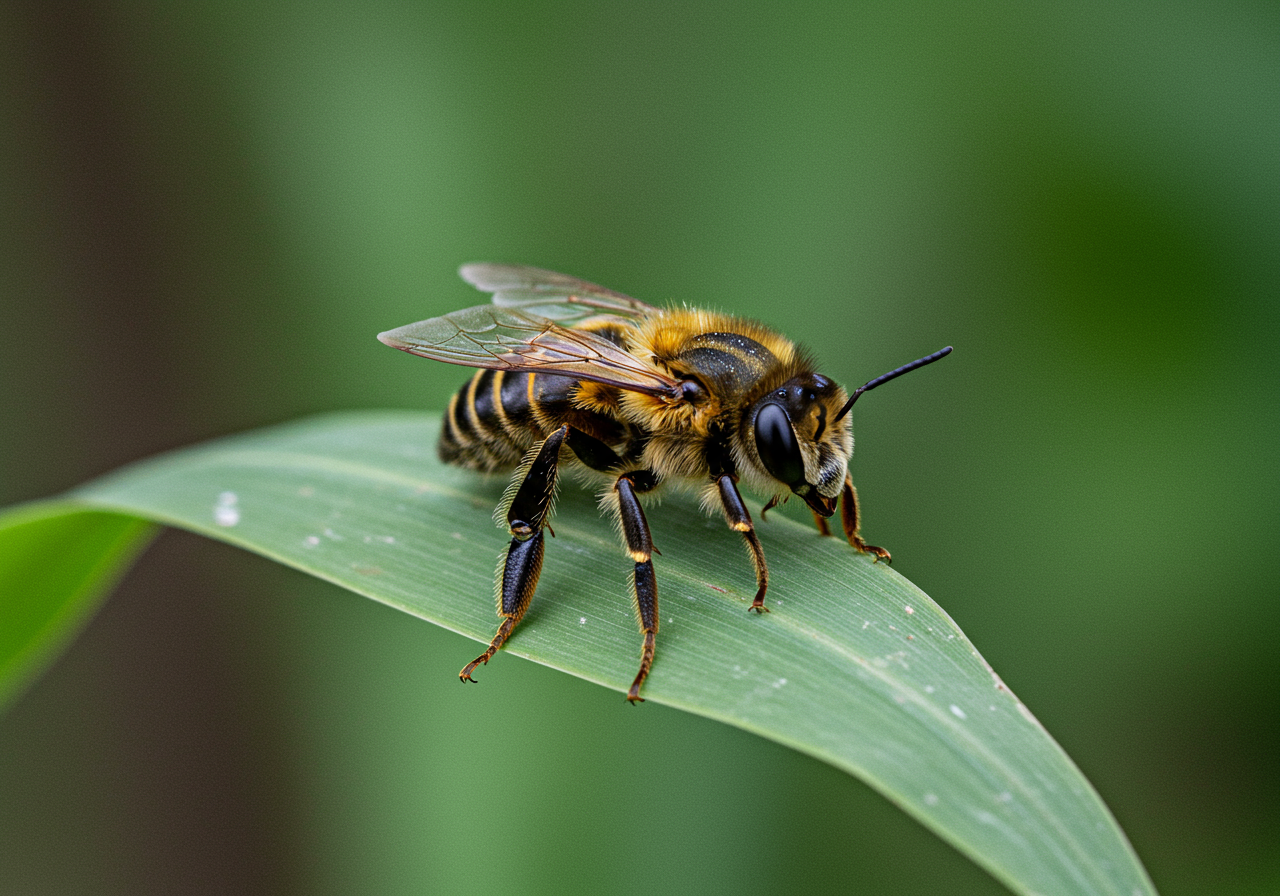
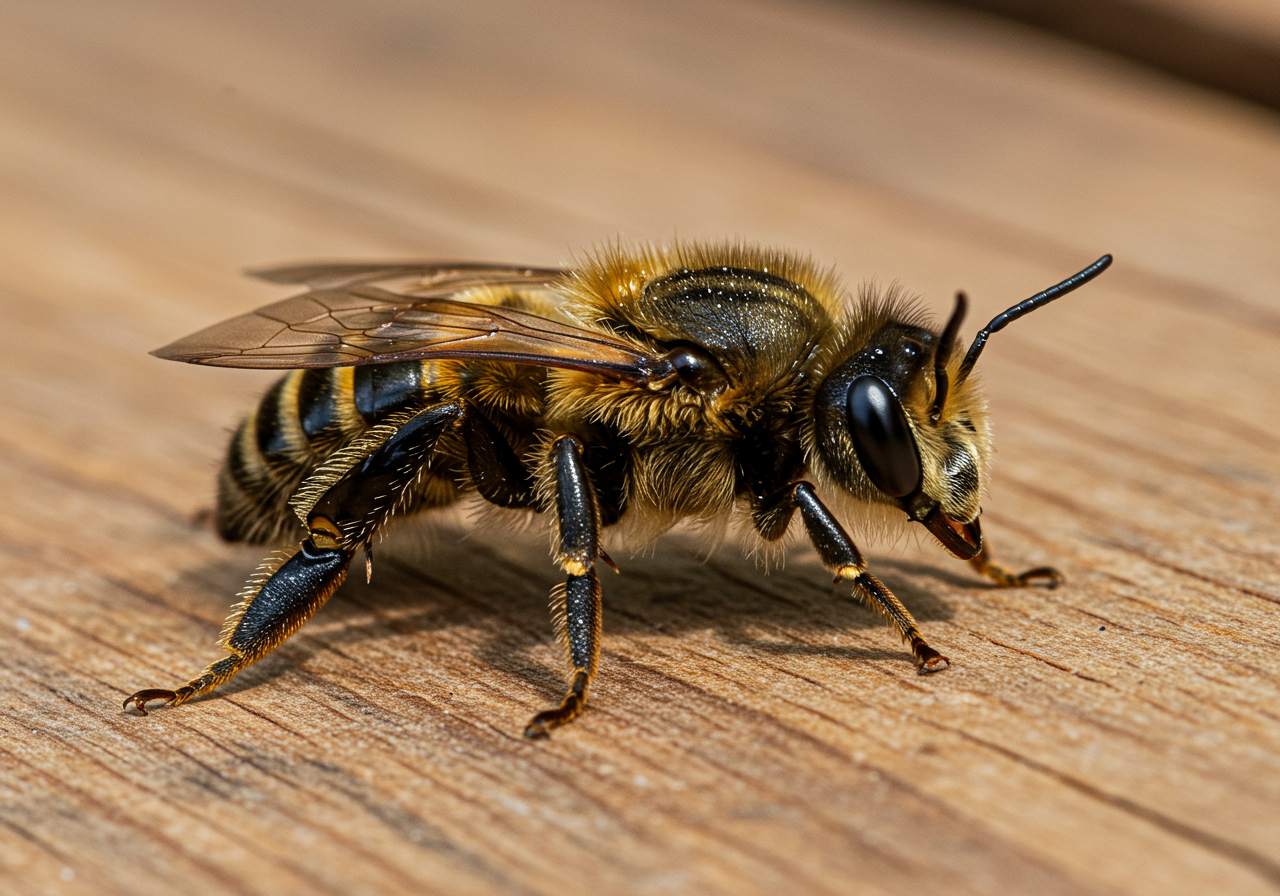
Honey Bees: Our Pollinating Friends
- Appearance: Fuzzy, usually golden-yellow with black stripes. They have a rounder body than wasps.
- Behavior: Generally not aggressive unless their hive is directly threatened. They're vital for pollinating our plants and crops.
- Nesting: Build large, intricate hives often in tree cavities, old wall voids, or sometimes even attics.
- The Problem: While beneficial, a large honey bee hive inside a wall or attic can lead to structural damage from honey, wax, and moisture, and their sheer numbers can be intimidating.
- Our Approach: When dealing with honey bees, our priority is always safe relocation whenever possible. We aim to protect these crucial pollinators.
Carpenter Bees: The Wood Worriers
- Appearance: Large, resemble bumblebees but have a shiny, hairless black abdomen (rear body part), whereas bumblebees are fuzzy all over.
- Behavior: Males are territorial and may buzz aggressively, but they can't sting. Females can sting but rarely do unless provoked. Their main goal is drilling.
- Nesting: They don't eat wood but bore perfectly round holes into untreated wood (like decks, eaves, fascia boards, and outdoor furniture) to lay their eggs.
- The Problem: These holes can weaken wooden structures over time. Over several seasons, extensive damage can occur, costing homeowners significant repair bills.
Wasps (Yellowjackets, Hornets, Paper Wasps): The Aggressive Stingers
- Appearance: Slimmer bodies with narrow "waists." Yellowjackets are bright yellow and black. Hornets are larger, often black and white or reddish-brown. Paper wasps are typically reddish-brown or darker with yellow markings.
- Behavior: Wasps, especially yellowjackets and hornets, can be very aggressive, particularly when their nest is disturbed. Unlike bees, they can sting multiple times.
- Nesting:
- Yellowjackets: Often build nests underground, in wall voids, or dense bushes. Their nests can house thousands of individuals.
- Hornets: Create large, papery, football-shaped nests, usually high up in trees or under eaves.
- Paper Wasps: Build umbrella-shaped nests attached to eaves, porch ceilings, or attic spaces.
- The Problem: Their aggressive nature and painful stings pose a significant health risk, especially for those with allergies. A disturbed nest can lead to multiple stings from many wasps.
Why Professional Bee & Wasp Control is Essential
Dealing with stinging insects can be tricky and dangerous. Here's why calling in the professionals is always the best choice:
- Safety First: Stings are painful, and for the estimated 2 million Americans with venom allergies, they can be life-threatening. Professionals have the right protective gear and knowledge to approach nests safely.
- Correct Identification: As you've seen, different insects require different approaches. Misidentifying a honey bee for a wasp could lead to unnecessary harm to pollinators or ineffective treatment.
- Effective Nest Removal: Simply spraying a few insects won't solve the problem. The nest must be treated and often removed to prevent future issues and stop attracting other pests.
- Preventing Structural Damage: For carpenter bees, professional intervention stops ongoing damage to your home. For honey bees, early removal of an indoor hive prevents honey and wax from rotting inside walls.
- Long-Term Solutions: A good pest control service doesn't just eliminate the immediate threat but also advises on preventing future infestations.
Our Approach to Bee & Wasp Control in North Canaan
At Defense Pest And Wildlife Control LLC, we understand the unique challenges homeowners face with stinging insects. Our goal is to provide peace of mind through effective, responsible, and lasting solutions.
1. Thorough Inspection
Every service begins with a detailed inspection of your property in North Canaan. Our trained experts will:
- Identify the type of stinging insect.
- Locate all active nests.
- Determine entry and exit points, especially for nests inside structures.
- Assess any potential damage or risks.
2. Safe & Targeted Treatment
Once we understand the situation, we implement a targeted treatment plan.
- For Honey Bees: We prioritize humane relocation. If relocation isn't feasible (e.g., in a wall void), we'll discuss the safest removal methods.
- For Carpenter Bees: We treat the active tunnels and may suggest repair and sealing methods to prevent re-infestation.
- For Wasps & Hornets: We use professional-grade products applied directly to the nest, ensuring the entire colony is neutralized. Our methods are designed to be effective while minimizing risk to your family and pets.
3. Careful Nest Removal
Once treated, it's crucial to remove the nest whenever possible. This prevents other pests from being attracted to the decaying nest and eliminates any lingering pheromones that might attract new colonies. We carefully remove nests from accessible areas, cleaning the site to deter future activity.
4. Prevention & Sealing for Lasting Protection
Our commitment to "Defense" means we focus on preventing future problems.
- Entry Point Sealing: We identify and seal potential entry points where insects might gain access to your home's structure. This might involve repairing small cracks, sealing gaps, or reinforcing screens.
- Custom Exclusion: For more stubborn issues, especially with wood-boring insects like carpenter bees or larger wildlife, we offer custom exclusion services. This can involve using durable materials, including custom metal work, to permanently block access points, ensuring long-term protection against all kinds of unwanted guests. Our approach isn't just a temporary fix; it's about defending your home for good.
Serving North Canaan and Beyond
Defense Pest And Wildlife Control LLC is proud to serve homeowners and businesses throughout North Canaan, CT, and the surrounding communities in Litchfield County and across Connecticut. This includes towns like Torrington, New Milford, Litchfield, Salisbury, Kent, and many more. Our local knowledge means we understand the specific pest pressures of our region.
Don't Let Stinging Pests Ruin Your Summer
Whether you're dealing with aggressive wasps, wood-damaging carpenter bees, or a honey bee hive in the wrong place, prompt and professional action is essential. Don't risk painful stings or property damage by trying to handle the problem yourself.
For expert bee and wasp control in North Canaan, CT, trust the team that puts your safety and long-term protection first.
Contact Defense Pest And Wildlife Control LLC today for a thorough inspection and a customized plan to keep your home pest-free.
Call us at +1 (860) 709-1898 or email us at defensepestandwildlife@gmail.com. Let us help you defend your home!
More Blogs
Some other blogs you might be interested in