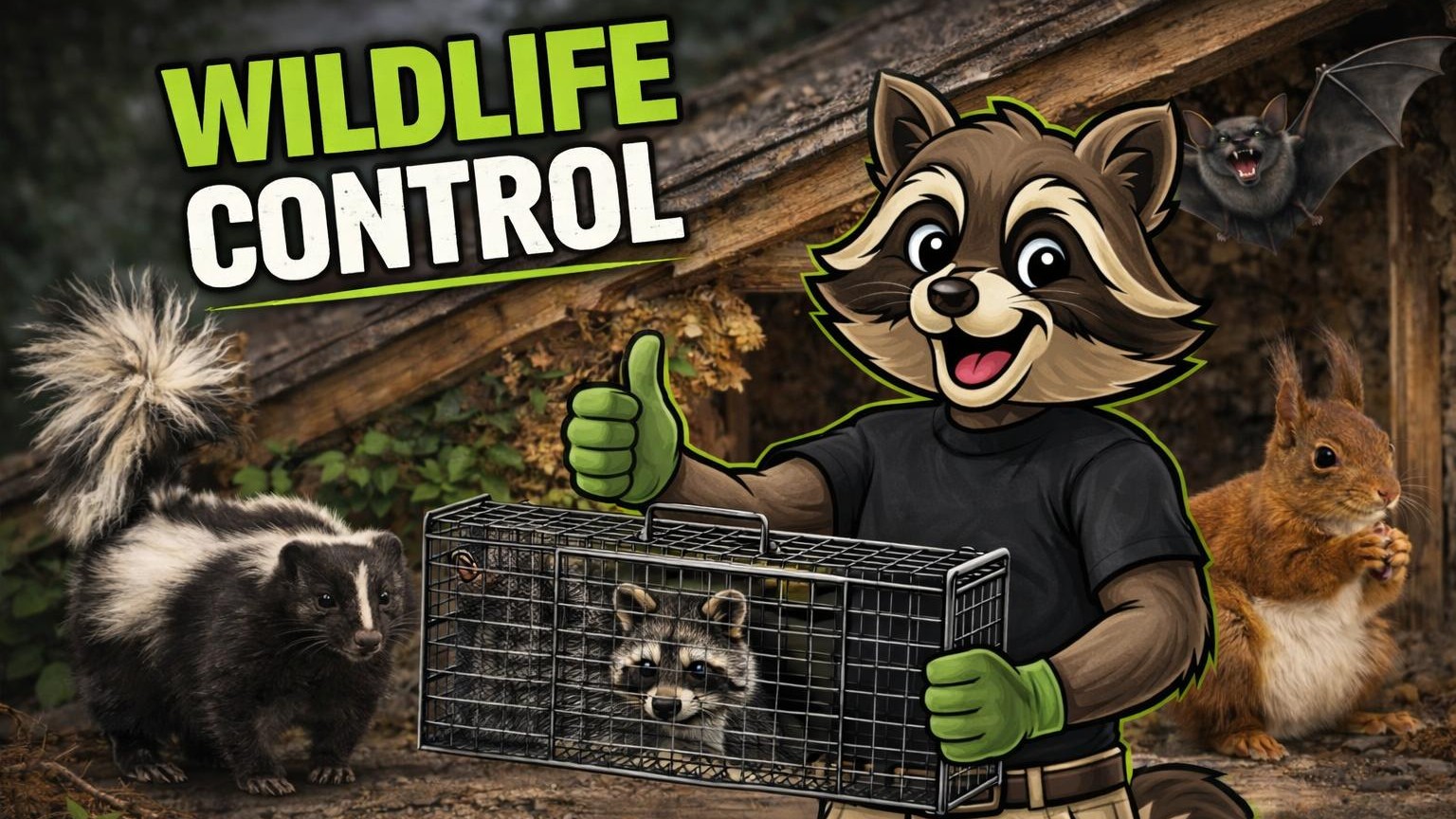
Norfolk CT Wildlife Control: Expert Solutions for a Critter-Free Home
Facing wildlife challenges in your Norfolk, CT home? From noisy raccoons in the attic to destructive squirrels, pungent skunks, or scavenging opossums, these nuisance animals often seek shelter, especially during their breeding cycles, causing significant structural damage and health risks. At Defense Pest And Wildlife Control, we provide humane and effective wildlife control services tailored for Norfolk residents. Our comprehensive process begins with a detailed inspection to pinpoint entry points and assess the situation. We then safely employ humane trapping and eviction methods when necessary, always prioritizing the welfare of the animals. Crucially, our long-term solution focuses on permanent prevention: we expertly seal off your home using custom metal barriers and reinforced exclusion systems, ensuring these unwanted guests can't return. Choose lasting peace of mind over temporary fixes – protect your Norfolk property and family with our proven wildlife prevention strategies.
Reclaiming Your Home: Expert Wildlife Control in Norfolk, Connecticut
Norfolk, Connecticut, with its picturesque landscapes and charming community, offers a wonderful place to call home. However, the same natural beauty that draws us to the area also attracts a variety of wildlife, sometimes a little too close for comfort. When squirrels chew through your attic, raccoons take up residence in your chimney, or skunks decide your crawl space is their new home, it’s more than just an inconvenience – it's a genuine problem that requires professional attention.
At Defense Pest And Wildlife Control, we understand the unique challenges Norfolk homeowners face when local wildlife decides to become unwelcome guests. Our mission is to provide effective, long-lasting solutions that protect your property and peace of mind.
Common Wildlife Intruders in Norfolk and Their Costly Habits
While spotting a deer or a fox in the wild is a treat, finding these creatures, or smaller ones, inside your home is not. Here are some of the usual suspects that can cause significant damage and disruption:
- Raccoons: These clever, masked bandits are notorious for their strength and curiosity. They can tear open roof vents, chimney caps, and even siding to gain access to attics and crawl spaces. Once inside, they can cause extensive damage to insulation, wiring, and ductwork. Raccoons are also known carriers of diseases like rabies and roundworm, posing a health risk to pets and people.
- Squirrels: Cute but destructive, squirrels are driven by an instinct to chew. They will gnaw on almost anything to keep their teeth sharp, including electrical wires – a leading cause of house fires. They build nests in attics, walls, and chimneys, often bringing in nesting materials that can introduce fleas and other pests.
- Skunks: While mostly a threat to your nose, skunks can dig under foundations, sheds, and decks, creating unsightly and structurally unsound burrows. Beyond their potent spray, skunks can also carry rabies, making close encounters dangerous.
- Opossums: These nocturnal marsupials are opportunistic scavengers. They often seek shelter in attics, crawl spaces, and under porches. While generally not aggressive, opossums can carry fleas, ticks, and diseases, and their presence can be unsettling.
Why Wildlife Seeks Shelter in Your Home: Understanding Their Instincts
Wildlife intrusions aren't usually personal; they're driven by basic needs: shelter, food, and a safe place to raise their young.
- Seasonal Cycles: Spring and summer are particularly active times for wildlife. Many species, including raccoons, squirrels, and bats, enter their breeding seasons. A warm, dry attic or wall void provides the perfect nursery, offering protection from predators and the elements. This means you might not just have one animal, but an entire family.
- Attic Denning Behavior: Attics are prime real estate for wildlife. They offer warmth in winter, coolness in summer, and a secluded environment away from disturbances. Animals often enter through small gaps, damaged vents, or loose siding, making their way into these cozy spaces.
- Structural Damage Risks: The longer wildlife remains in your home, the greater the potential for damage. Beyond the immediate destruction to insulation and wires, animal waste can lead to terrible odors and mold growth. Chewing on support beams can compromise structural integrity over time. Water damage can occur if they block drainage points or damage roofing. The financial cost of repairs can quickly skyrocket, with some homeowners facing thousands of dollars in restoration work.
The Defense Pest And Wildlife Control Approach: A Permanent Solution
At Defense Pest And Wildlife Control, we don't believe in temporary fixes. Our goal is to provide a comprehensive, long-term solution that not only removes the current intruders but also prevents future wildlife problems.
- Thorough Inspection: Our process begins with a meticulous inspection of your entire property. We'll identify the species of animal, pinpoint all entry points – no matter how small – and assess any damage they've caused. This detailed understanding is crucial for developing an effective plan.
- Humane Removal and Eviction: Once we know what we're dealing with, we employ humane methods to remove the animals. This might involve setting live traps in specific situations or using specialized one-way doors that allow animals to exit your home but prevent them from re-entering. We prioritize the safety of both the animals and your family.
- Permanent Sealing and Exclusion: This is where we truly shine. Simply removing the animals isn't enough; you must seal off their entry points to stop them from coming back. We specialize in robust, lasting solutions:
- Custom Metal Exclusion Systems: Many standard building materials aren't strong enough to deter persistent wildlife. We design and install custom metal barriers, flashing, and vent covers that are specifically tailored to your home's vulnerabilities. These aren't off-the-shelf solutions; they are built to last and stand up to chewing, clawing, and pushing.
- Reinforced Exclusion: We don't just patch holes; we reinforce weak points. This means securing eaves, sealing gaps around pipes and wires, repairing damaged fascia, and ensuring that your home is a fortress against future animal invasions.
- Long-Term Prevention: Our focus is on long-term protection, not repeat problems. By addressing the root cause – the access points – we ensure that your home remains safe and wildlife-free for years to come. This proactive approach saves you time, money, and stress in the long run.
Why Choose Defense Pest And Wildlife Control for Your Norfolk Home?
Wildlife control is a specialized field that requires expertise, the right tools, and a commitment to lasting results. Choosing a qualified professional is key to avoiding ongoing issues and potential dangers. In fact, wildlife damage and removal can be a significant cost for homeowners, with reports indicating millions of dollars spent annually across the country on animal-related repairs. Don't let your home become another statistic.
At Defense Pest And Wildlife Control, we are dedicated to setting a new standard for quality, honesty, and craftsmanship. We handle everything from pesky ants to nuisance raccoons, but we are widely recognized for our expertise in comprehensive wildlife control, including professional bat eviction, rodent control, and bird control. Our custom metal exclusion systems are a testament to our commitment to permanent solutions.
We proudly serve homeowners in Norfolk, Connecticut (06058), and many surrounding communities, including Torrington, Litchfield, New Hartford, Watertown, and Canton, ensuring that families across the region can live comfortably without unwanted wildlife guests.
If wildlife has made your Norfolk home its own, don't wait for the problem to escalate. Contact Defense Pest And Wildlife Control today for an inspection and a reliable solution. Let us help you defend your home!
More Blogs
Some other blogs you might be interested in