Morris, Connecticut Bee & Wasp Control: Safe Removal for Your Home & Family
Is your Morris, CT home buzzing with unwanted guests? Defense Pest And Wildlife Control provides expert and humane solutions for all types of stinging insects. Discover the key differences between honey bees, carpenter bees, and wasps, understand their seasonal nesting behaviors, and learn how we safely inspect, treat, and remove nests. We also focus on long-term prevention by sealing entry points, ensuring your property and loved ones remain protected and pest-free. Trust our local experts for a peaceful home.
Buzz Off! Expert Bee Control in Morris, Connecticut
The warmer months in beautiful Morris, Connecticut, bring sunshine, outdoor activities, and unfortunately, often a few unwelcome buzzing guests around our homes. While many bees are vital for our ecosystem, when they decide to build a nest in your walls, under your eaves, or even in your lawn, they can quickly turn into a significant nuisance and even a danger.
At Defense Pest And Wildlife Control LLC, we understand the unique challenges Morris homeowners face with stinging insects. Our goal is to safely and effectively manage these pests, protecting your family and property while also respecting the important role many of these creatures play in nature.
Understanding Your Buzzing Visitors: Not All Stinging Insects Are Alike
Before tackling a buzzing problem, it's helpful to know who you're dealing with. Different stinging insects have different behaviors, and knowing the difference helps us choose the best and safest approach.
The Good Guys: Honey Bees
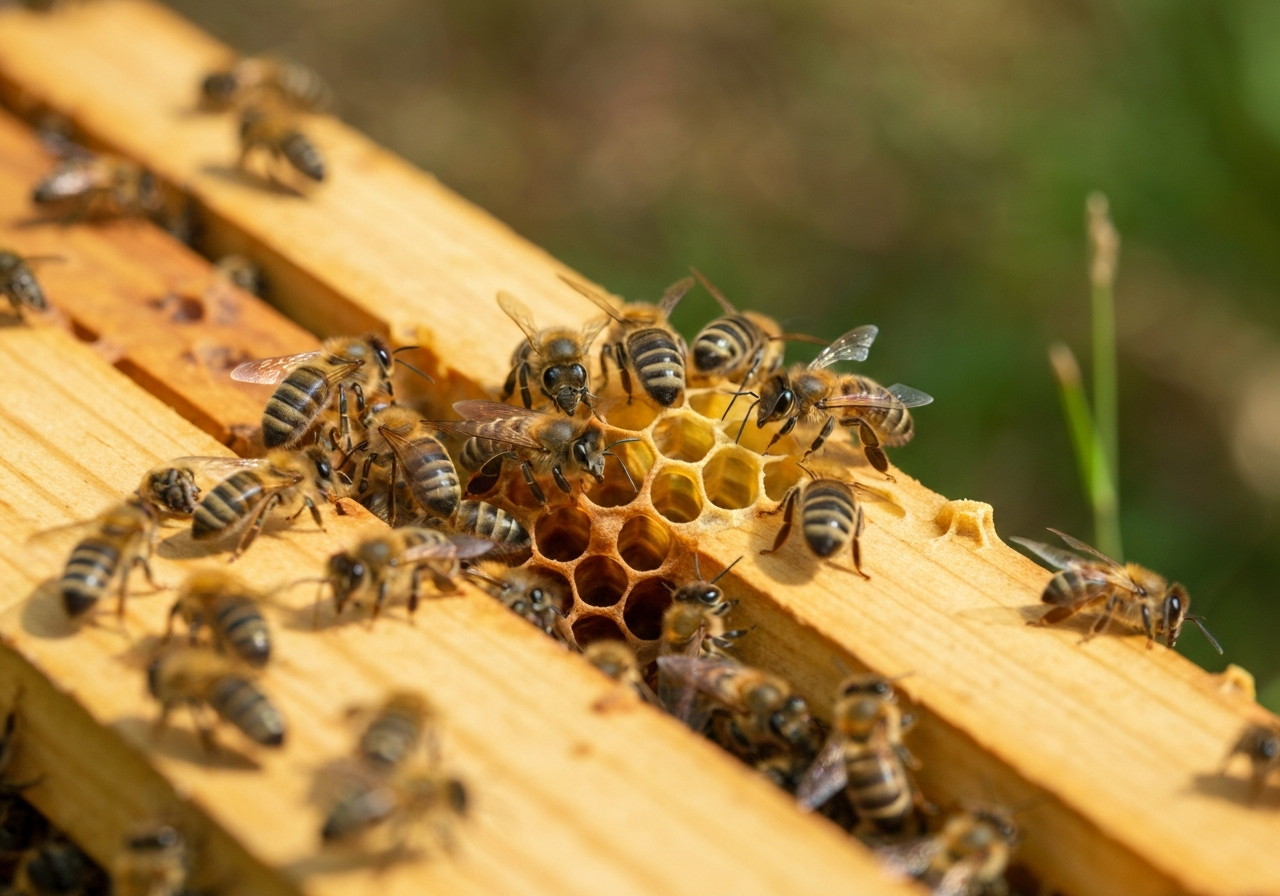
Honey bees are probably the most well-known and loved pollinators. They are fuzzy, typically golden-yellow with black stripes, and they live in large colonies, producing honey. When honey bees swarm, it can look alarming, but they are generally docile unless their nest is directly threatened.
When they're a problem: Honey bees become a concern when they build a hive inside your home's structure – like within walls, chimneys, or attics. This can lead to honey leaking, structural damage, and a very large, active colony living where it shouldn't. Because of their vital role in pollination, we always prioritize humane removal and relocation for honey bees whenever possible.
The Wood-Boring Worry: Carpenter Bees
Have you noticed perfectly round holes drilled into your wooden deck, eaves, or fascia? That's likely the work of a carpenter bee. These large, shiny black bees (often mistaken for bumblebees, but they have a smooth, shiny abdomen while bumblebees are fuzzy all over) don't eat wood, but they bore tunnels to lay their eggs.
Structural Risks: Over time, these tunnels can weaken wooden structures. Water can seep into the holes, causing rot and further damage. What starts as a few small holes can, if left unchecked, lead to costly repairs for your home in Morris.
The Aggressive Ones: Wasps, Yellow Jackets, and Hornets
This group includes some of the most common and aggressive stinging insects homeowners encounter. They typically have smoother, more slender bodies and brighter yellow and black markings. Unlike bees, wasps can sting multiple times.
- Paper Wasps build umbrella-shaped nests under eaves, decks, or in attics.
- Yellow Jackets are particularly aggressive, often nesting in the ground, wall voids, or dense bushes. They are notorious for bothering outdoor gatherings and getting into food.
- Hornets (like the bald-faced hornet) build large, football-shaped paper nests, usually in trees or dense shrubs, but sometimes on structures. They are highly territorial and can deliver painful stings.
Health Risks: Beyond the painful sting, these insects can pose a serious threat to individuals with allergies. For some, a single sting can trigger a severe allergic reaction (anaphylaxis) requiring immediate medical attention. According to the Centers for Disease Control and Prevention (CDC), insect stings lead to thousands of emergency room visits annually across the U.S.
The Seasonal Cycle of Stinging Pests in Morris
Understanding the yearly pattern of these insects can help you be prepared:
- Spring: Queen wasps and carpenter bees emerge from hibernation to start new nests and begin boring. Honey bee swarms may appear as new colonies form.
- Summer: Nests grow rapidly, and insect activity peaks. You'll see more foragers, and colonies will be at their largest, especially for wasps and yellow jackets. This is often when problems become most noticeable.
- Fall: Colonies become more aggressive as food sources dwindle, and they prepare for winter. Yellow jackets are particularly bothersome during this time. Most wasps and carpenter bees will die off with the first hard frost, leaving only fertilized queens to hibernate. Honey bees, however, will overwinter in their hive.
Why Professional Bee Control in Morris, CT is Essential
Dealing with stinging insects can be dangerous. Attempting to remove a nest yourself can lead to multiple stings, allergic reactions, and may not even solve the problem effectively. That's where professional expertise comes in.
Here's how Defense Pest And Wildlife Control LLC provides peace of mind:
- Safety First: Our trained technicians have the proper gear and knowledge to approach and remove nests safely, minimizing risk to you, your family, and our team.
- Accurate Identification: We correctly identify the type of stinging insect, which is crucial for determining the most effective and responsible treatment method. For example, honey bees often require different handling than wasps.
- Effective Treatment & Removal: We use targeted, safe treatment methods designed to eliminate the threat. For honey bees, we prioritize relocation. For others, we ensure complete nest removal to prevent future issues.
- Preventing Future Problems: Our service extends beyond just removal. We help you take steps to prevent these pests from returning.
Our Approach to Bee Control in Morris, CT
When you call Defense Pest And Wildlife Control LLC for a stinging insect problem in Morris, here's what you can expect:
- Thorough Inspection: Our experts will carefully inspect your property, identifying the type of insect, locating all nests, and determining how they are gaining access. This detailed assessment allows us to create a customized plan tailored to your specific situation.
- Safe and Targeted Treatment: We use industry-leading, environmentally responsible products and methods to treat nests effectively. Our priority is to resolve your pest issue while ensuring the safety of your family, pets, and the environment. For honey bees, we will explore humane removal options first.
- Expert Nest Removal: Once the colony is neutralized, we safely remove the nest. This is especially important for wasps and hornets, as leaving old nests can sometimes attract new pests. For honey bees, removing the hive material (honeycomb, honey) from wall voids is crucial to prevent attracting other pests and causing damage.
- Preventative Sealing (Long-Term Defense): A key part of our service is helping you make your home less appealing to future pests. This often involves sealing potential entry points. We can advise on or implement solutions for gaps in your siding, openings around utility lines, and other vulnerabilities. Our expertise in custom metal exclusion systems can provide a permanent seal for common entry points, protecting your home from a wide range of wildlife and pests, including carpenter bees looking for new drilling spots. This is part of our commitment to long-term protection, not repeat problems.
Serving Your Morris Community and Beyond
Defense Pest And Wildlife Control LLC is proud to offer our comprehensive bee and stinging insect control services to homeowners throughout Morris, Connecticut, and the surrounding Litchfield County area. We also serve neighboring communities such as Torrington, New Milford, Watertown, Litchfield, New Hartford, Thomaston, and many more. If you're dealing with a buzzing problem, we're here to help!
When to Call the Experts
Don't wait for a small problem to become a dangerous infestation. Call Defense Pest And Wildlife Control LLC if you:
- See a large number of bees or wasps around a specific area of your home.
- Notice a buzzing sound coming from inside your walls or ceiling.
- Discover a visible nest on or around your property.
- Spot carpenter bee holes in your wooden structures.
- Have family members with known insect sting allergies.
Defend Your Home from Stinging Pests
Your home in Morris, CT, should be a place of comfort and safety, free from the worry of aggressive stinging insects. With Defense Pest And Wildlife Control LLC, you get a dedicated team committed to providing effective, safe, and lasting solutions. We don't just solve problems—we defend your home.
Ready to get rid of unwanted buzzing guests? Contact Defense Pest And Wildlife Control LLC today at +1 (860) 709-1898 for a consultation or to schedule an inspection. Let us help you reclaim your outdoor spaces and ensure peace of mind.
More Blogs
Some other blogs you might be interested in